Choosing the right cat litter is more than just a routine chore; it’s a critical decision impacting your feline’s health, your home environment, and the planet. With over a decade of experience in cat care, especially concerning litter boxes, we understand the myriad concerns cat parents face—from odor control and absorbency to safety for both pets and humans. As the Admin of ReviewLelo.com, a site dedicated to pet product reviews, I’ve personally tested countless options. The shift towards eco-friendly cat litter offers a cleaner, greener solution that benefits everyone. Are you ready to discover how sustainable choices can revolutionize your cat’s litter experience?
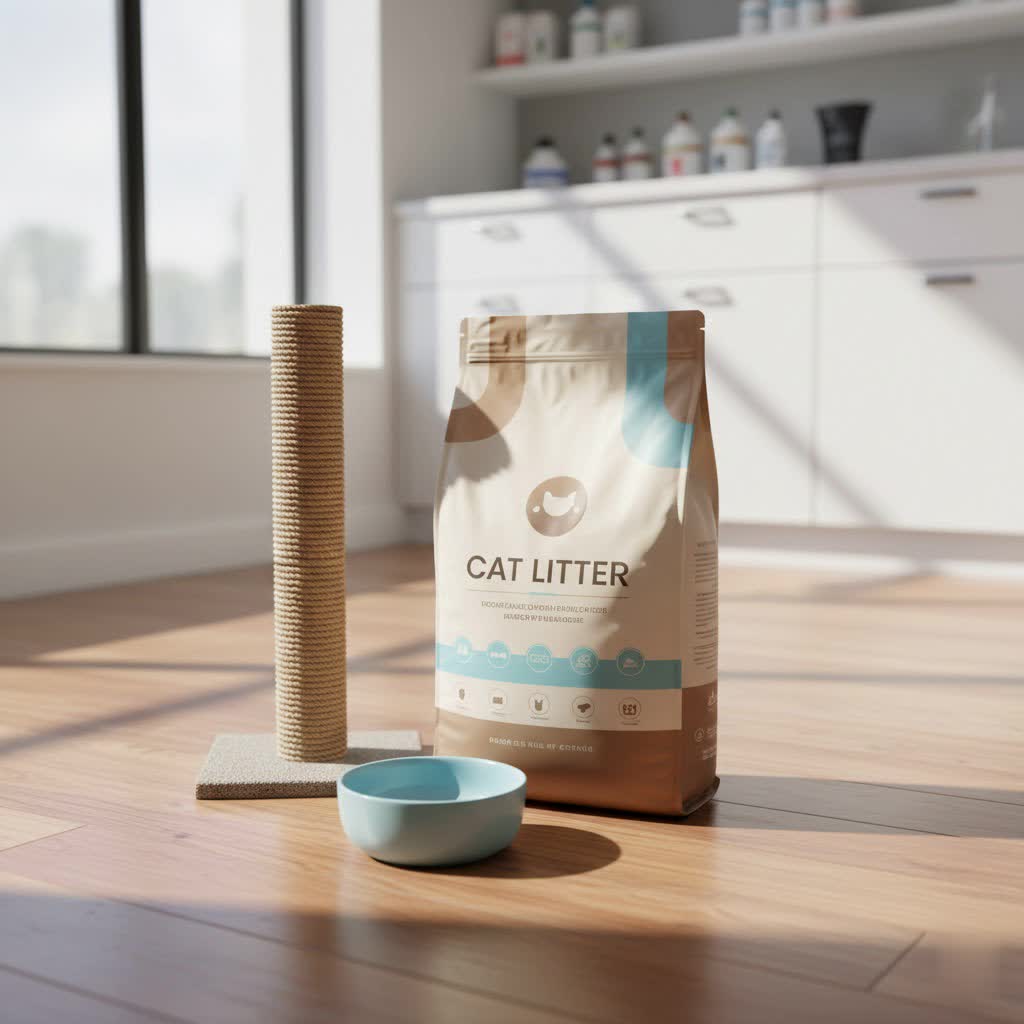
Cat Litter: All You Need to Know
Cat litter is fundamental to a feline’s well-being and your household hygiene. Traditional clay litters, while popular for decades, come with significant drawbacks. Their production often involves strip-mining, a process that depletes natural resources and damages habitats. Furthermore, these litters are non-biodegradable, meaning they sit in landfills for centuries, contributing to long-term environmental waste. Many also contain silica dust and artificial fragrances that can irritate a cat’s sensitive respiratory system and paws, as well as yours. Eco-friendly alternatives are designed to address these issues, offering a healthier environment and a reduced ecological footprint through biodegradable, plant-based materials.
Popular Types of Cat Litter Today
The market for cat litter has evolved significantly, offering a diverse array of materials beyond traditional clay. Understanding these options is the first step toward making an informed, eco-conscious choice for your beloved companion. Each type boasts unique properties in terms of absorbency, odor control, clumping ability, and environmental impact.
Clay Litter
|
Our Picks for the Best Cat Litter in 2026
We may earn a commission when you use one of our links to make a purchase.
|
||
| Num | Product | Action |
|---|---|---|
| 1 | Purina Tidy Cats Clumping Cat Litter, 24/7 Performance Multi Cat Litter - 38 lb. Box |

|
| 2 | Fresh Step Clean Paws Advanced Multi Cat Clumping Litter with Febreze Freshness, 18.5 lb Each, Pack of 2 (Package May Vary) |
|
| 3 | ARM & Hammer Cloud Control Platinum Cat Litter, Hypoallergenic, Dust-Free, Multi-Cat, 14-Day Odor Control, 18 lbs – Dander Shield & Baking Soda |
|
| 4 | Dr. Elsey's Ultra Unscented Clumping Clay Cat Litter 18 lb Bag |
|
| 5 | WORLD'S BEST CAT LITTER Comfort Care Unscented, 32-Pounds - Natural Ingredients, Quick Clumping, Flushable, 99% Dust Free & Made in USA - Long-Lasting Odor Control & Easy Scooping |
|
| 6 | Fresh Step Odor Shield Advanced Multi Cat Clumping Litter with Febreze Freshness, Gain Original Scent, 18.5 lb Each, Pack of 2 (Package May Vary) |
|
| 7 | Mixed Tofu Cat Litter Strong Clumping Litter 99.9% Dust Free and Flushable Cat Litter, Mixed Tofu and Bentonite Natural Sustainable Ingredients Odor Control, Low Tracking(16.8lb, Fresh) |
|
| 8 | Purina Tidy Cats Clumping Multi Cat Litter, Glade Clear Springs - 38 lb. Box |
|
| 9 | Crystal Cat Litter and Disposable Litter Trays 5 Sets Compatible with Petsafe Scoop-Free Classic/Legacy/Smart Litter Boxes, Triple Leak Proof Design, Excellent OdorControl, One-Hand Disposing. |
|
| 10 | Purina Tidy Cats Clumping Cat Litter Odor Control, 24/7 Performance Multi Cat Litter - 16 lb. Bag |
|
Traditional clay litter, primarily made from bentonite, is widely available and typically inexpensive. Its main advantages include cost-effectiveness and relatively good clumping properties, which simplify scooping. However, it often generates a significant amount of dust, which can be problematic for cats and humans with respiratory sensitivities. Its odor control can be poor without added fragrances, and as a non-biodegradable material, it poses a long-term environmental burden in landfills.
Bentonite Litter
Bentonite is a type of clay renowned for its superior clumping ability when wet, forming firm, scoopable clumps. This makes cleaning the litter box relatively easy and helps to conserve litter. While effective, bentonite litter shares the same environmental concerns as other clay litters: it’s mined, non-biodegradable, and can produce dust. For cats with sensitive respiratory systems, the dust can be a particular concern.
Silica Gel Litter
Silica gel litter, also known as crystal litter, stands out for its exceptional absorbency and odor control. These litters absorb moisture and trap odors effectively, requiring less frequent full litter changes compared to traditional clay. They are also virtually dust-free, making them a good option for allergy sufferers. However, silica gel litter is generally more expensive, can be noisy when cats dig, and is not biodegradable, adding to landfill waste.
Wood Litter
Wood litter, often made from pine, cedar, or other sustainably sourced wood fibers, is an excellent eco-friendly choice. It’s biodegradable, compostable, and offers natural odor control through wood’s inherent enzymes. Wood litters come in various forms, from soft pellets to more granular textures. While some cats may need time to adjust to the texture, many cat parents appreciate its natural scent and reduced dust. It can be more expensive than clay but lasts longer.
Paper Litter
Recycled paper litter, typically made from post-consumer paper products, is soft, lightweight, and almost entirely dust-free, making it ideal for kittens, cats recovering from surgery, or those with respiratory issues and allergies. It’s also biodegradable and often compostable. However, paper litter generally has lower odor control and less effective clumping compared to other types, often requiring more frequent changes to maintain freshness.
Soy Litter
Soy litter, derived from soybean byproducts or pea husk, is a highly sustainable and increasingly popular option. It’s biodegradable, often flushable, and boasts excellent clumping properties that rival traditional clay. Soy litter is typically low in dust and gentle on paws, making it a comfortable choice for most cats. While it tends to be pricier, its environmental benefits and strong performance make it a worthy investment for many pet owners.
Comparison Table of Cat Litters
Choosing the best cat litter involves weighing various factors against your priorities and your cat’s needs. Here’s a comparative overview of popular litter types:
| Criteria | Clay Litter | Bentonite Litter | Silica Gel Litter | Wood Litter | Paper Litter | Soy Litter |
|---|---|---|---|---|---|---|
| Price | Low | Medium | High | Medium-High | Medium | High |
| Odor Control | Poor (unscented) | Moderate | Excellent | Good-Excellent | Fair | Good-Excellent |
| Absorbency | Moderate | Good | Excellent | Good-Excellent | Moderate | Excellent |
| Dust Level | High | High | Very Low | Low | Very Low | Very Low |
| Clumping Ability | Moderate | Excellent | Non-clumping | Moderate (sawdust) | Poor | Excellent |
| Eco-Friendliness | Poor | Poor | Poor | Excellent | Excellent | Excellent |
| Flushable | No | No | No | Some types | Some types | Yes |
Guide to Choosing the Right Cat Litter for Your Feline Friend
Selecting the perfect cat litter is a personalized process that should consider both your cat’s preferences and your lifestyle. A thoughtful approach ensures comfort for your feline and convenience for you, promoting a harmonious household. Don’t rush the decision; your cat’s litter box habits can significantly impact their overall happiness and health.
Determine Your Cat’s Needs
A cat’s age and health are crucial factors in litter selection. Kittens or senior cats often benefit from softer, finer textures that are gentle on their paws. For cats with respiratory issues or allergies, a low-dust and fragrance-free litter is paramount to prevent irritation. Observe your cat’s natural preferences; some felines are particular about texture and scent, and their comfort is key to preventing litter box aversion.
Consider Your Budget
Litter costs vary significantly, from economical clay options to premium eco-friendly choices. While a higher upfront price might deter some, consider the long-term value. Many eco-friendly litters last longer due to superior absorbency and clumping, potentially offsetting the initial cost through less frequent purchases. Factor in the cost of regular replacement and how it fits into your overall pet care budget.
Read Ingredients and Reviews
Always examine the ingredient list to ensure the litter is free from harmful chemicals, synthetic fragrances, and excessive dust. Prioritize natural, plant-based components for eco-friendly choices. Additionally, delve into user reviews to gauge real-world performance concerning odor control, clumping, tracking, and dust levels. These firsthand accounts can provide invaluable insights into a product’s effectiveness and suitability for various cat temperaments.
Experiment with Different Litters
Cats can be particular, so a gradual introduction is often best. Start by purchasing small bags of different eco-friendly litters to test them out. Mix a small amount of the new litter with your cat’s current litter, gradually increasing the proportion over several days or weeks. Closely observe your cat’s reaction and habits during this transition period to ensure they readily accept the new material.
Tips for Using and Storing Cat Litter Effectively
Optimizing your cat’s litter experience goes beyond just choosing the right type; proper usage and storage are equally important. These practices not only extend the life of your litter but also contribute to a cleaner, fresher home environment and better health for your cat.
- Choose the Right Litter Box: Select a litter box that is appropriately sized for your cat, allowing them enough space to comfortably enter, turn around, and dig. For multi-cat households, provide at least one litter box per cat, plus one extra, distributed throughout the home.
- Maintain Adequate Litter Depth: Ensure you pour a sufficient layer of litter, typically 2-3 inches, or according to the product’s instructions. This depth allows for proper clumping and absorption, preventing waste from sticking to the bottom of the tray.
- Scoop Regularly: Scoop solid waste and urine clumps at least once daily, or more frequently for multi-cat homes. Consistent scooping is vital for odor control and maintaining a hygienic environment, encouraging your cat to use the box.
- Perform Regular Full Changes: Even with daily scooping, the entire litter box should be emptied, cleaned, and refilled with fresh litter periodically. The frequency depends on the litter type and number of cats, ranging from weekly to monthly.
- Store Litter Properly: Keep unused cat litter in a cool, dry place, ideally in an airtight container. This prevents moisture absorption, which can degrade the litter’s effectiveness, and protects plant-based litters from pests.
Reputable Eco-Friendly Cat Litter Brands on the Market
The eco-friendly cat litter market is expanding, with several brands leading the charge in offering sustainable and high-performing options. These companies are committed to minimizing environmental impact while ensuring optimal cleanliness and comfort for your feline companions.
- Ökocat: Known for its natural wood fiber litter, Ökocat offers excellent odor control and absorbency. It’s biodegradable and free from artificial fragrances, dyes, and chemicals.
- World’s Best Cat Litter: This brand primarily uses corn-based ingredients, providing strong clumping and flushability. It’s a popular choice for those seeking natural, high-performance litter.
- sWheat Scoop: Made from wheat, sWheat Scoop is biodegradable and flushable, offering good clumping and natural odor neutralization.
- Tuft & Paw: Offering a premium tofu-based litter, Tuft & Paw’s “Really Great Cat Litter” is biodegradable, flushable, and provides strong clumping with minimal tracking.
- Naturally Fresh: This brand utilizes walnut shells, which are known for their effective odor control and strong clumping abilities. It’s a biodegradable alternative to traditional clay.
- Catalyst Pet: Using upcycled softwood, Catalyst Pet litter offers excellent clumping and odor control, made from sustainable resources.
Common Mistakes When Using Cat Litter
Even with the best intentions, cat parents can fall into common traps when it comes to litter box management. Avoiding these errors is crucial for maintaining a clean, odor-free home and ensuring your cat’s continued acceptance of their litter box.
- Not Cleaning the Litter Box Frequently Enough: A dirty litter box is the leading cause of “accidents” outside the box. Cats are fastidiously clean animals, and they will seek alternative spots if their litter box is not scooped daily.
- Using Cat Litter Not Suited for Your Cat: Forcing a cat to use a litter type they dislike (e.g., strong scent, uncomfortable texture) can lead to avoidance. Always prioritize your cat’s comfort and preference.
- Pouring Too Little or Too Much Cat Litter: Too little litter prevents proper clumping and allows waste to stick to the bottom, while too much can overflow the box and be wasteful. Adhere to recommended depths.
- Not Replacing All Litter Periodically: Even with daily scooping, litter boxes absorb odors and bacteria over time. A complete litter change and box cleaning are necessary to eliminate residual smells and maintain hygiene.
- Placing the Litter Box in an Undesirable Location: Cats prefer privacy and safety. Placing a litter box in a high-traffic, noisy, or inaccessible area can deter use.
Where to Buy Eco-Friendly Cat Litter
Finding eco-friendly cat litter is easier than ever, with a growing number of retailers stocking sustainable options. Whether you prefer to shop in person or online, you have a wide array of choices to fit your convenience.
- Pet Supply Stores: Large chains like PetSmart and Petco typically carry a selection of eco-friendly brands, including wood, corn, and paper litters. Smaller local pet boutiques may also offer niche or specialized sustainable options.
- Supermarkets and Mass Retailers: Some larger supermarkets and general merchandise stores are expanding their pet care aisles to include more natural and eco-friendly cat litter choices, making them accessible during your regular grocery runs.
- Online Retailers: Websites like Chewy, Amazon, and the direct brand websites (e.g., Ökocat, World’s Best Cat Litter) offer the broadest selection. Online shopping provides convenience, comparative pricing, and often home delivery for heavy litter bags.
Conclusion
Embracing eco-friendly cat litter is a powerful step toward a more sustainable lifestyle for both you and your feline companion. These innovative products, crafted from renewable resources like wood, corn, soy, and recycled paper, offer superior odor control, efficient clumping, and a significant reduction in environmental impact. By choosing biodegradable and non-toxic options, you actively contribute to healthier landfills and a cleaner planet, all while ensuring your cat enjoys a comfortable and safe litter box experience. With countless beneficial types and reputable brands available, transitioning to eco-friendly cat litter has never been simpler or more rewarding.
What sustainable change will you make for your cat’s litter box today?