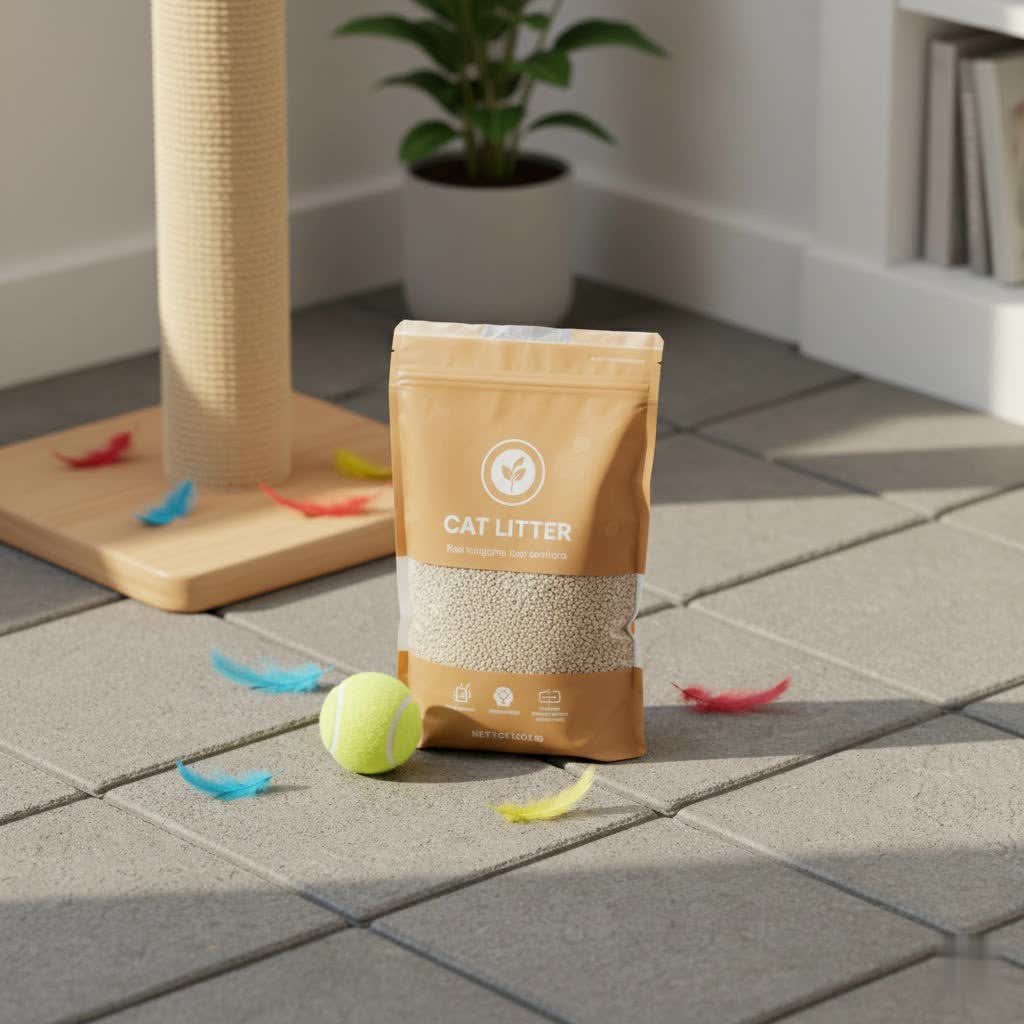
Choosing the right cat litter is a decision that significantly impacts your cat’s health, happiness, and the overall cleanliness of your home. With over a decade of experience in cat care, especially concerning litter types, we understand the many factors that go into this choice – from odor control and absorbency to safety for both your cat and your familyLet’s examine the essential information to help you select the best product for your beloved feline.
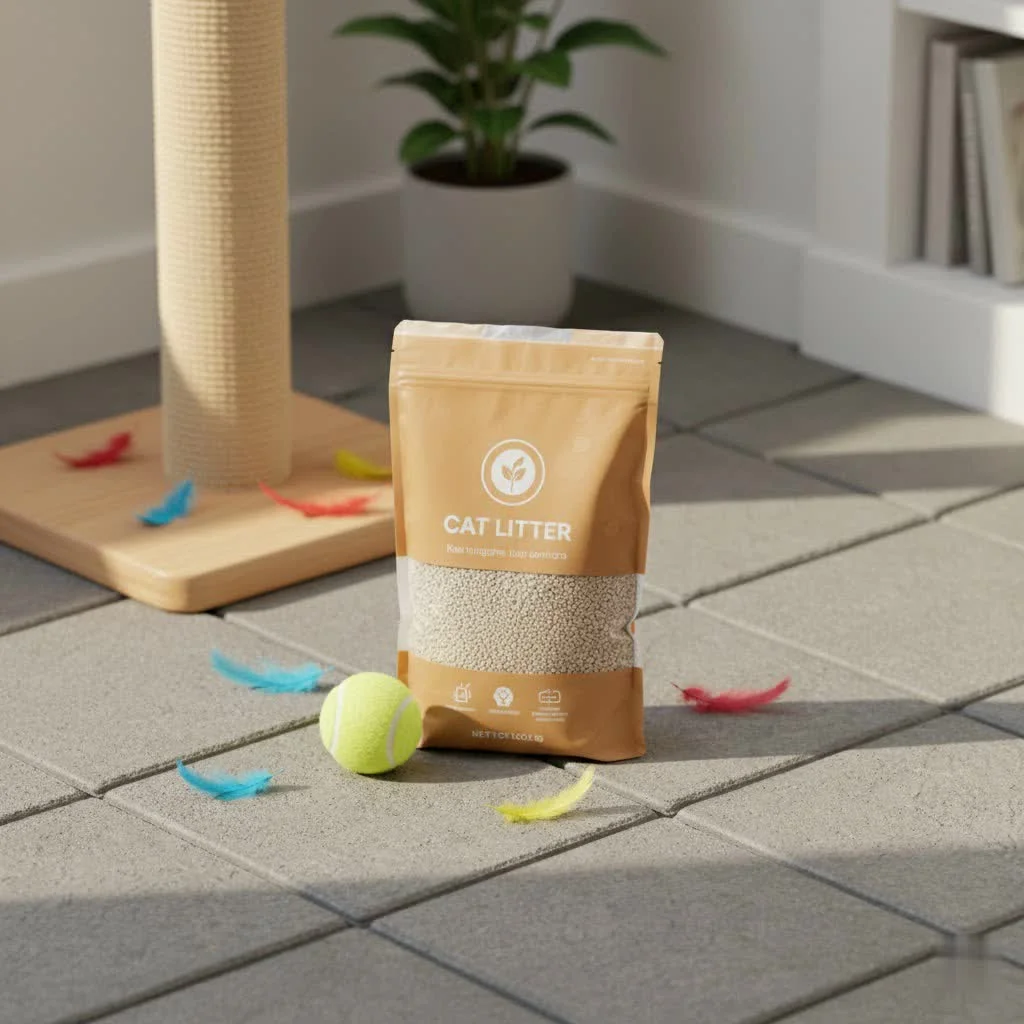
Cat Litter: Everything You Need to Know
Cat litter plays a crucial role in maintaining your cat’s hygiene and preventing unwanted odors in your living space. An inappropriate litter can lead to discomfort and stress for your cat, potentially causing them to avoid their litter box altogether. Modern cat litter has evolved significantly, offering various materials designed to absorb, contain, and neutralize odors effectively, all while ensuring your cat’s comfort.
Popular Types of Cat Litter Today
The world of cat litter is more diverse than you might imagine, with each type offering distinct benefits and drawbacks regarding hygiene, practicality, and environmental impact. Understanding these differences is key to making an informed choice for your feline companion.
Clay Litter (Bentonite Litter)
Clay litter, particularly clumping bentonite clay, is a traditional and widely popular choice due to its excellent clumping action and affordability. It forms solid clumps upon contact with urine, making daily scooping easy. However, it can produce a noticeable amount of dust, which might irritate cats and humans with respiratory sensitivities. Clay litter is also heavy and non-biodegradable, raising environmental concerns regarding its disposal and the mining process.
Silica Gel Litter (Crystal Litter)
Silica gel litter, commonly known as crystal litter, is made from silica crystals that are highly effective at absorbing moisture and trapping odors. It’s known for its longevity, requiring less frequent full changes compared to clay litters, and is virtually dust-free. The main downsides include its higher cost and the possibility that some cats may find the texture uncomfortable under their paws due to the larger, pebble-like crystals. While effective at odor control, it is not biodegradable.
Wood Litter
Wood litter is an environmentally friendly option made from natural wood materials, often in pellet form. It boasts good odor control and is biodegradable, making it a more sustainable choice. However, wood pellets can sometimes stick to a cat’s fur, and their coarser texture might not be appealing to all cats. Some wood litters, especially pine, can have a strong scent that some cats (and owners) dislike.
Paper Litter
|
Our Picks for the Best Cat Litter in 2026
As an Amazon Associate I earn from qualifying purchases.
|
||
| Num | Product | Action |
|---|---|---|
| 1 | Crystal Cat Litter and Disposable Litter Trays 5 Sets Compatible with Petsafe Scoop-Free Classic/Legacy/Smart Litter Boxes, Triple Leak Proof Design, Excellent OdorControl, One-Hand Disposing. |

|
| 2 | Purina Tidy Cats Clumping Cat Litter, 24/7 Performance Multi Cat Litter - 38 lb. Box |
|
| 3 | WORLD'S BEST CAT LITTER Comfort Care Unscented, 32-Pounds - Natural Ingredients, Quick Clumping, Flushable, 99% Dust Free & Made in USA - Long-Lasting Odor Control & Easy Scooping |
|
| 4 | Fresh Step Clean Paws Advanced Multi Cat Clumping Litter with Febreze Freshness, 18.5 lb Each, Pack of 2 (Package May Vary) |
|
| 5 | Dr. Elsey's Ultra Unscented Clumping Clay Cat Litter 18 lb Bag |
|
| 6 | ARM & Hammer Cloud Control Platinum Cat Litter, Hypoallergenic, Dust-Free, Multi-Cat, 14-Day Odor Control, 18 lbs – Dander Shield & Baking Soda |
|
| 7 | Mixed Tofu Cat Litter Strong Clumping Litter 99.9% Dust Free and Flushable Cat Litter, Mixed Tofu and Bentonite Natural Sustainable Ingredients Odor Control, Low Tracking(16.8lb, Fresh) |
|
| 8 | Purina Tidy Cats Clumping Cat Litter Odor Control, 24/7 Performance Multi Cat Litter - 16 lb. Bag |
|
| 9 | Purina Tidy Cats Clumping Multi Cat Litter, Glade Clear Springs - 38 lb. Box |
|
| 10 | Fresh Step Odor Shield Advanced Multi Cat Clumping Litter with Febreze Freshness, Gain Original Scent, 18.5 lb Each, Pack of 2 (Package May Vary) |
|
Made from recycled paper, paper litter is an eco-friendly, soft, and lightweight option. It’s particularly suitable for kittens or cats with sensitive paws or those recovering from surgery, as it’s gentle and low-dust. The primary drawbacks are its lesser absorbency and less effective odor control compared to other types, often requiring more frequent changes to maintain freshness.
Soy Litter (Tofu Litter)
Soy litter, also referred to as tofu litter, is a newer, environmentally conscious option made from soybean byproducts. It’s celebrated for its excellent clumping ability, effective odor control, and being virtually dust-free. Soy litter is also biodegradable and often flushable, offering convenient disposal. Its main disadvantage is generally a higher price point compared to conventional clay litters.
Comparative Table of Cat Litter Types
Here’s a detailed comparison to help you weigh the pros and cons of each litter type:
| Feature | Clay Litter | Silica Gel Litter | Wood Litter | Paper Litter | Soy Litter |
|---|---|---|---|---|---|
| Price | Low to Moderate | High | Moderate to High | Moderate | High |
| Odor Control | Good to Excellent | Excellent | Good | Fair to Poor | Excellent |
| Absorbency | High | Very High | Good | Moderate | High |
| Dust Level | High | Very Low | Low | Low | Very Low |
| Clumping Ability | Excellent (Clumping) | None (Absorbing) | Varies (Pellets/Grains) | None (Absorbing) | Excellent |
| Environmental Friendliness | Low | Low | High | High | Very High |
| Paw Comfort | Fine to Medium | Coarse/Pebble-like | Pellets can be firm | Soft & Gentle | Soft (Pellets/Grains) |
Guide to Choosing the Right Cat Litter for Your Cat
Selecting the ideal cat litter involves more than just picking a bag off the shelf; it requires understanding your cat’s unique needs, your lifestyle, and your budget.
Determine Your Cat’s Needs
- Age: Kittens are prone to ingesting litter, so coarse-grained, non-clumping options like certain paper or wood litters are safer initially. For senior cats, softer, fine-grained litters are preferable as their paws can become sensitive with age.
- Respiratory Issues/Allergies: Cats prone to respiratory problems or allergies benefit significantly from low-dust or dust-free litters such as silica gel or soy. Unscented options are also crucial to avoid irritation.
- Paw Sensitivity: Cats are particular about texture. If your cat avoids the litter box, the texture might be the culprit. Softer, finer litters like some clay varieties, paper, or soy are often more comfortable than rough crystal or large wood pellets.
- Scent Preference: Many cats are sensitive to strong scents, even those added for human preference. Opting for unscented litter is generally safer, though some cats tolerate subtle, natural scents like green tea.
Consider Your Budget
Litter prices vary greatly. While some biodegradable options and silica gel litters are more expensive per bag, they might last longer, balancing the cost. Traditional clumping clay is often the most budget-friendly choice upfront, but its heavier weight and dust might lead to other expenses (e.g., cleaning supplies, vet visits for respiratory issues).
Read Ingredients and Reviews Carefully
Always check the ingredients to ensure they are safe for your cat. Avoid litters with harsh chemicals or overwhelming fragrances. Reviews from other cat owners can provide valuable insights into a product’s real-world performance concerning odor control, dust, and tracking.
Experiment with Different Types
There’s no one-size-fits-all answer. If you’re unsure, purchase small bags of different types and introduce them gradually. Observe your cat’s reactions to see which they prefer. A “transition room” can be helpful when introducing a new litter, providing a safe and isolated space for your cat to adapt.
“A cat’s comfort should always be a top priority when choosing a litter, especially considering the sensitivity of their paw pads.” — Jessica Cornella, Professional Cat Sitter
Tips for Using and Storing Cat Litter
Proper litter box maintenance is as important as choosing the right litter.
- Choose the Right Litter Box: Ensure the box is large enough for your cat to turn around comfortably. For older cats or kittens, a box with lower sides is essential for easy access. Avoid covered boxes if your cat shows anxiety, as they limit visibility.
- Adequate Litter Depth: For clumping litter, aim for about three to four inches deep to allow for proper clumping and waste coverage. Non-clumping litter generally requires two to three inches.
- Scoop Regularly: Scoop solid waste and urine clumps daily. Cats prefer a clean environment, and frequent scooping significantly aids in odor control and hygiene.
- Regular Full Changes: Fully empty and clean the litter box once a month, or every two to three weeks for multi-cat households or those with high-use litters. Use warm water and mild, unscented soap.
- Proper Storage: Store cat litter in a cool, dry place to prevent moisture absorption, which can reduce its effectiveness and, for natural litters, minimize the risk of mold growth. Ensure bags are sealed properly.
Reputable Cat Litter Brands on the Market
Several brands consistently receive positive reviews for their quality and effectiveness:
- Boxiecat Probiotic Clumping Clay Litter: Praised for its excellent clumping, probiotic-enhanced odor control, and low dust formula, making it a top choice for many.
- Arm & Hammer Clump & Seal Multi-Cat Litter: Known for effectively masking odors, strong clumping, and minimal dust and tracking. It’s a popular budget-friendly option.
- Tuft & Paw Cat Litter: A pellet-style litter made from soybean byproducts (tofu litter), offering complete odor control, being totally dust-free, and flushable.
- Fresh Step Crystals Premium Scented Cat Litter: A silica gel option valued for its superior odor absorption, lack of dust and tracking, and longer lifespan between changes.
- World’s Best Cat Litter: A popular corn-based clumping litter that is natural, flushable, and biodegradable. It’s often recommended for those transitioning from clay to natural options.
Common Mistakes When Using Cat Litter
Even experienced cat owners can make mistakes that impact their cat’s litter box habits and home hygiene.
- Infrequent Cleaning: Neglecting daily scooping and regular full changes is a primary cause of litter box aversion and strong odors. Cats will often seek other places to relieve themselves if their box is too dirty.
- Using an Inappropriate Litter: Using litter that is uncomfortable, too dusty, or strongly scented can deter your cat. Always consider their sensitivity to texture and smell.
- Incorrect Litter Depth: Too little litter makes it hard for cats to cover their waste, while too much can overwhelm them. Stick to the recommended depth for your litter type.
- Wrong Litter Box Size or Placement: A box that’s too small or difficult to access can cause stress. Placing the litter box in noisy, busy areas, or too close to food and water bowls can also lead to avoidance.
- Flushing All Litter: While some biodegradable litters are flushable in small clumps, never flush the entire contents of a litter box, as it can clog plumbing and may not be suitable for municipal waste systems.
- Using Plastic Liners: Liners can be frustrating for cats who like to dig, as their claws can get caught, causing stress or tearing.
Where to Buy Cat Litter?
Cat litter is readily available through various channels:
- Pet Stores: Local and national pet store chains offer a wide selection of brands and types, allowing you to see and feel the products.
- Supermarkets: Many larger supermarkets carry popular brands of clay and some natural litters.
- Online Retailers: Websites like Amazon, Chewy, Petco, and PetSmart provide extensive selections, often with competitive pricing and home delivery.
Conclusion
Choosing the best cat litter is a personalized journey, deeply intertwined with your cat’s unique preferences and your household’s needs. From the strong clumping of traditional clay to the eco-friendly benefits of soy and the superior odor control of silica gel, each option presents a distinct set of advantages. By prioritizing factors like odor control, dust levels, paw comfort, and sustainability, you can find a litter that ensures both your home remains fresh and your feline companion stays happy and healthy.
Have you discovered a cat litter that completely changed your cat’s litter box experience?
Frequently Asked Questions
Is scented cat litter bad for cats?
Scented cat litter can be overwhelming for cats due to their highly sensitive sense of smell. It can also mask natural odors that cats rely on for comfort, potentially leading to litter box aversion or respiratory irritation. Unscented options are generally recommended for your cat’s well-being.
How many litter boxes should I have for my cats?
The general rule of thumb is one litter box per cat, plus one extra. For example, if you have one cat, you should ideally have two litter boxes. This ensures that each cat has a clean and accessible option, reducing stress and preventing accidents outside the box.
Can I flush cat litter down the toilet?
Only certain biodegradable litters, typically made from materials like corn or soy, are designed to be flushable. Even then, it’s crucial to flush only small clumps at a time and ensure your plumbing system can handle it. Never flush traditional clay litter or the entire contents of a litter box, as this can cause clogs and is often not permitted by local regulations due to environmental concerns.
Pet products vetted on real animals
Practical specs, not advice. Unsubscribe anytime.
