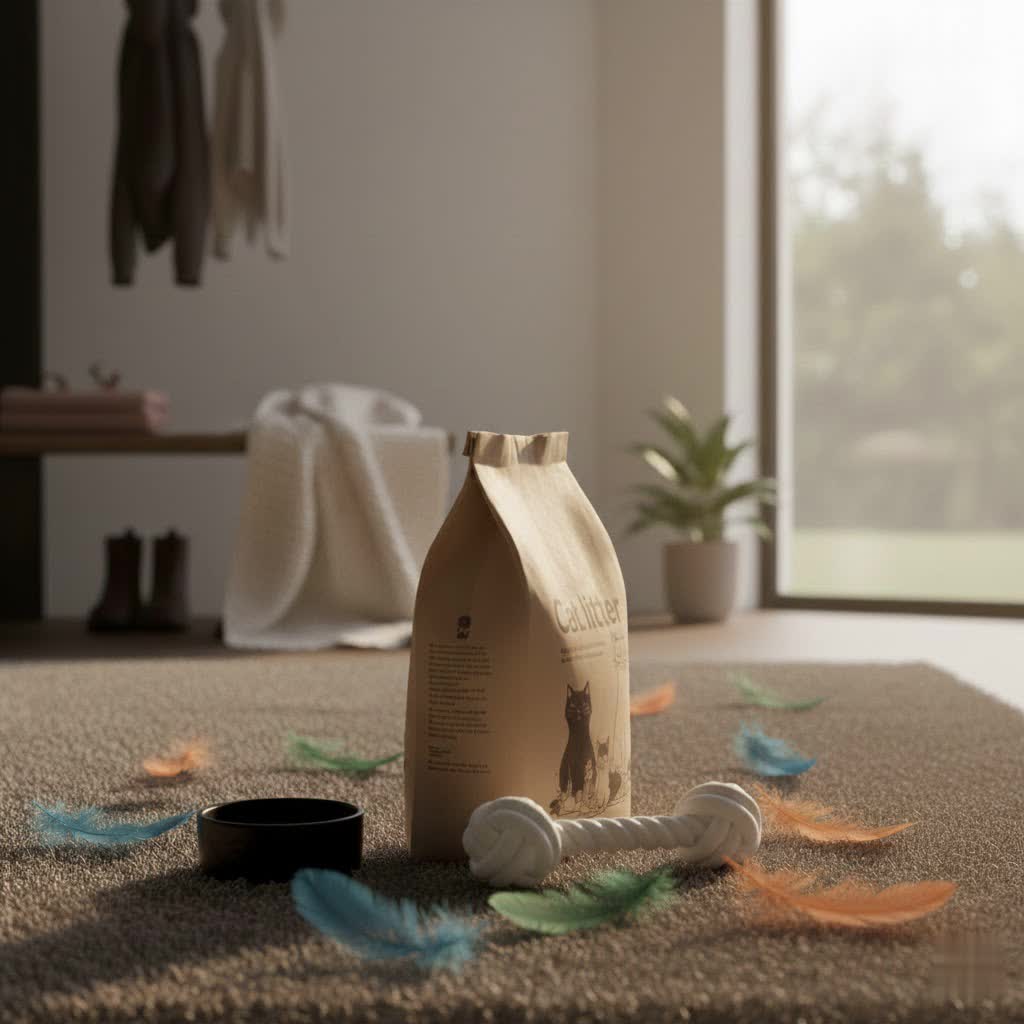
Choosing the right cat litter is a decision that impacts not only your feline friend’s comfort and health but also the cleanliness and freshness of your entire home. With countless options available, navigating the world of cat litter can feel overwhelming. As an experienced cat parent, you understand the nuances of odor control, absorbency, dust levels, and safety. Let’s explore the top-rated cat litters, dissecting their features to help you make the best choice for your beloved companion.
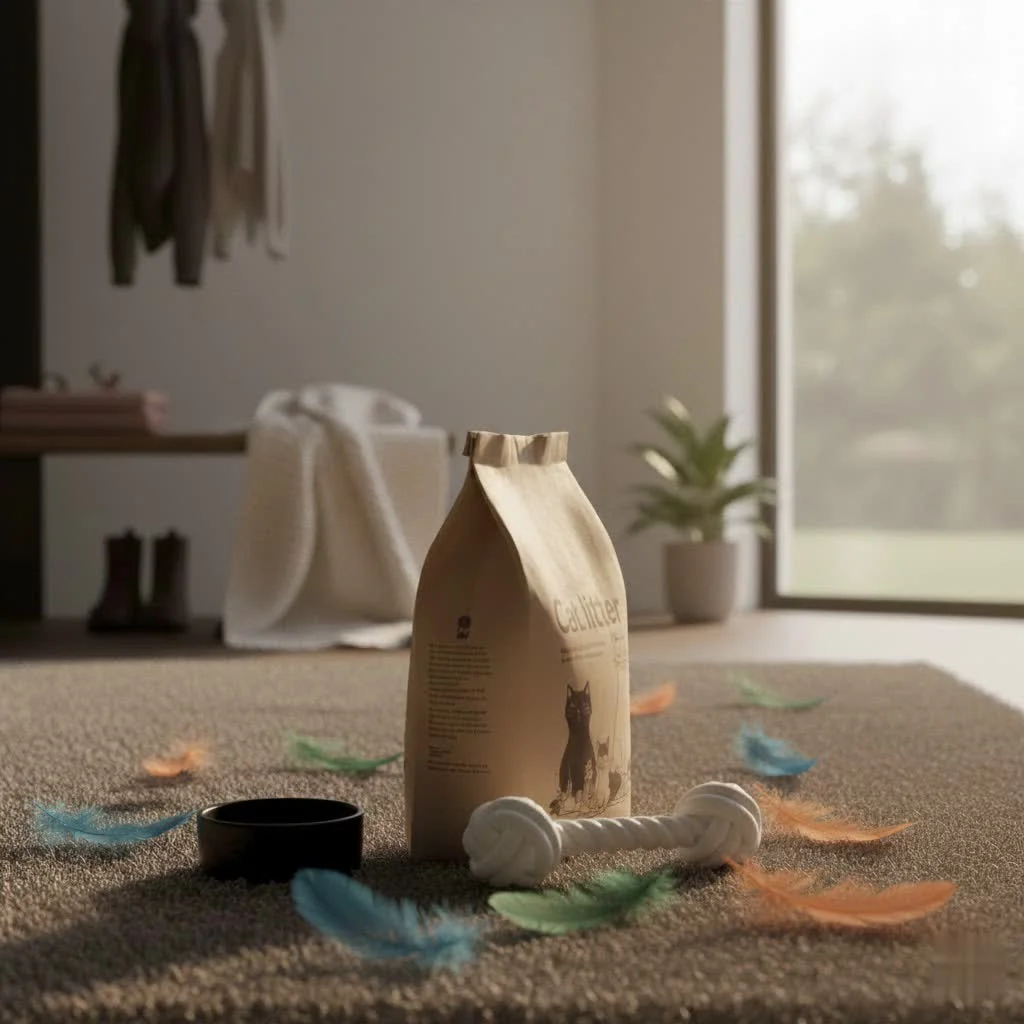
Cat Litter: Everything You Need to Know
Cat litter plays a crucial role in maintaining a hygienic environment for your cat and preventing unwanted odors in your living space. Beyond mere waste absorption, the right litter contributes significantly to your cat’s well-being, encouraging consistent litter box use and reducing potential respiratory issues. Over the years, the market has evolved beyond traditional options, offering a diverse range of materials designed to meet various needs and preferences. Understanding these different types is the first step towards finding the perfect match.
Popular Types of Cat Litter
The array of cat litters can be categorized by their primary material, each offering distinct advantages and disadvantages in terms of performance, cost, and environmental impact.
Clay Litter (Including Bentonite)
Clay litter, particularly bentonite clay, has been a staple in many households for decades due to its widespread availability and affordability. It works by absorbing moisture and, in the case of bentonite, forming solid clumps that are easy to scoop.
- Pros: Generally inexpensive and widely accessible. Bentonite clay offers excellent clumping capabilities, simplifying daily cleaning. Many cats find its fine, sand-like texture appealing, as it mimics their natural instinct to bury waste.
- Cons: Can be very dusty, posing respiratory risks for both cats and humans. It is heavy, making it difficult to transport and dispose of. Clay is not biodegradable and its extraction through strip mining raises environmental concerns. Tracking is also a common issue, as fine particles can cling to paws and spread throughout the home.
Silica Gel Litter (Crystal Litter)
Silica gel litter, often recognized by its crystal appearance, stands out for its superior absorbency and odor neutralization. It’s made from silica gel beads, which are highly porous.
- Pros: Exceptional odor control by absorbing moisture rather than masking smells. It’s low-dust and lightweight, reducing airborne particles and making handling easier. Crystal litter typically lasts longer than other types, requiring less frequent full changes.
- Cons: Can be more expensive upfront. The texture of the crystals might be uncomfortable or even painful for some cats, especially those with sensitive paws or who are declawed. It does not clump in the traditional sense, often requiring stirring to manage saturated areas. Like clay, silica is not biodegradable, making it less environmentally friendly.
Wood Litter
|
Our Picks for the Best Cat Litter in 2026
As an Amazon Associate I earn from qualifying purchases.
|
||
| Num | Product | Action |
|---|---|---|
| 1 | Mixed Tofu Cat Litter Strong Clumping Litter 99.9% Dust Free and Flushable Cat Litter, Mixed Tofu and Bentonite Natural Sustainable Ingredients Odor Control, Low Tracking(16.8lb, Fresh) |

|
| 2 | Crystal Cat Litter and Disposable Litter Trays 5 Sets Compatible with Petsafe Scoop-Free Classic/Legacy/Smart Litter Boxes, Triple Leak Proof Design, Excellent OdorControl, One-Hand Disposing. |
|
| 3 | Purina Tidy Cats Clumping Cat Litter, 24/7 Performance Multi Cat Litter - 38 lb. Box |
|
| 4 | Dr. Elsey's Ultra Unscented Clumping Clay Cat Litter 18 lb Bag |
|
| 5 | Purina Tidy Cats Clumping Multi Cat Litter, Glade Clear Springs - 38 lb. Box |
|
| 6 | Fresh Step Clean Paws Advanced Multi Cat Clumping Litter with Febreze Freshness, 18.5 lb Each, Pack of 2 (Package May Vary) |
|
| 7 | Fresh Step Odor Shield Advanced Multi Cat Clumping Litter with Febreze Freshness, Gain Original Scent, 18.5 lb Each, Pack of 2 (Package May Vary) |
|
| 8 | WORLD'S BEST CAT LITTER Comfort Care Unscented, 32-Pounds - Natural Ingredients, Quick Clumping, Flushable, 99% Dust Free & Made in USA - Long-Lasting Odor Control & Easy Scooping |
|
| 9 | Purina Tidy Cats Clumping Cat Litter Odor Control, 24/7 Performance Multi Cat Litter - 16 lb. Bag |
|
| 10 | ARM & Hammer Cloud Control Platinum Cat Litter, Hypoallergenic, Dust-Free, Multi-Cat, 14-Day Odor Control, 18 lbs – Dander Shield & Baking Soda |
|
Derived from wood pulp or sawdust, often in pellet form, wood litter is a popular eco-friendly alternative.
- Pros: Environmentally friendly and biodegradable, often sourced from sustainable forests. It offers good natural odor control due to the wood’s inherent properties and is typically low in dust. Wood litter is also lightweight, making it easier to handle than clay.
- Cons: Some cats may dislike the texture of pellets, which can be larger and firmer than traditional litter. Non-clumping varieties can break down into sawdust when wet, requiring frequent sifting or full changes. While generally good, its odor control can vary, and some natural wood scents might be strong for sensitive cats or owners. Tracking can occur, particularly with finer wood shavings.
Paper Litter
Recycled paper litter is an excellent choice for cats with sensitivities or those recovering from surgery, thanks to its soft and gentle nature. It’s typically available in pellet form.
- Pros: Very soft and gentle on paws, making it ideal for kittens, elderly cats, or those with medical conditions. It is virtually dust-free, hypoallergenic, and environmentally friendly, being made from recycled, biodegradable materials. Tracking is generally minimal due to the larger pellet size.
- Cons: Its odor control is often less effective compared to other types, and it doesn’t neutralize urine as well, necessitating more frequent cleaning. Paper litter typically doesn’t clump, absorbing moisture but becoming soggy, which requires complete litter box changes more often.
Soy/Tofu Litter
An emerging and increasingly popular plant-based option, soy (tofu) litter is made from the insoluble parts of soybeans.
- Pros: Highly eco-friendly, biodegradable, and often flushable, making disposal convenient. It boasts excellent clumping ability, forming firm, scoopable clumps. Soy litter is typically low-dust, non-toxic, and gentle on paws. Many varieties offer good odor control.
- Cons: Generally more expensive than traditional clay litters. Some brands might get mushy or crumble if the clumping isn’t strong, though top-rated brands excel in this area. While superior in many aspects, its higher price point can be a deterrent for some.
Comparison Table of Cat Litters
| Feature | Clay (Bentonite) | Silica Gel (Crystal) | Wood Litter | Paper Litter | Soy/Tofu Litter |
|---|---|---|---|---|---|
| Price | Low | High | Moderate to High | Low | High |
| Odor Control | Good | Excellent | Good (natural) | Low | Good to Excellent |
| Absorbency | Good | Excellent | Good | Moderate | Excellent |
| Dust Level | High | Low | Low | Very Low | Low |
| Clumping Ability | Excellent (bentonite) | None (absorbs/dehydrates) | Varies (some clump) | None | Excellent |
| Tracking | High | Moderate | Moderate | Low | Low to Moderate |
| Environmental Impact | Poor (non-biodegradable) | Poor (non-biodegradable) | Excellent (biodegradable) | Excellent (biodegradable) | Excellent (biodegradable) |
| Paw Comfort | High | Low (can be sharp) | Moderate (pellets) | High | High |
| Health Concerns | Silica dust, ingestion | Ingestion, sharp texture | Sawdust dust (wet), texture | Low | Low |
How to Choose the Right Cat Litter for Your Feline Friend
Selecting the perfect cat litter is a personalized process that hinges on understanding both your cat’s specific needs and your household’s practical considerations. There’s no one-size-fits-all answer, so a thoughtful approach is key.
Understanding Your Cat’s Needs
Your cat’s individual preferences and health profile should always be the top priority.
- Age and Health: Kittens are prone to ingesting litter, making non-clumping or plant-based litters safer choices. Cats with respiratory issues like asthma or allergies benefit immensely from low-dust or dust-free options. Older cats or those with arthritis may prefer softer textures over rough crystals or hard pellets.
- Texture Preference: Cats have sensitive paws and can be particular about the feel of their litter. Many prefer soft, fine-grain textures that mimic sand or soil, which satisfies their natural digging instincts.
- Scent Sensitivity: Cats have a far more sensitive sense of smell than humans. Strong artificial fragrances in litter can be overwhelming, off-putting, or even irritating, potentially leading to litter box aversion. Unscented litters with natural odor neutralizers are often preferred.
Considering Your Budget
While cost is a factor, it’s essential to consider the long-term value, not just the upfront price.
- Initial Cost vs. Longevity: Cheaper litters might require more frequent full replacements, negating initial savings. High-performance clumping litters, though pricier, can last longer because only soiled clumps are removed, reducing overall usage.
- Value for Money: Evaluate the litter’s efficiency in odor control, clumping, and dust reduction against its price. A slightly more expensive litter that significantly improves your home environment and your cat’s comfort can offer better value in the long run.
Deciphering Ingredients and Reviews
Becoming an informed consumer involves looking beyond marketing claims to understand what’s truly in the bag.
- Safety of Ingredients: Prioritize litters made with non-toxic, safe ingredients. Be wary of chemicals, synthetic dyes, and excessive silica dust, which can pose health risks. Plant-based and biodegradable options are generally safer.
- User Reviews and Ratings: While individual experiences vary, aggregated user reviews can provide valuable insights into a product’s real-world performance regarding odor control, clumping, dust, and tracking. Look for patterns in feedback to identify common pros and cons.
The Trial and Error Approach
Finding the “best” litter often involves a bit of experimentation.
- Start Small: Purchase small bags of different litters you’re considering. Introduce them in separate litter boxes if you have multiple, or gradually mix a new litter with your cat’s current one.
- Observe Your Cat: Pay close attention to how your cat reacts to new litter. Do they use it readily? Are there any signs of discomfort or aversion? Their behavior is the ultimate indicator of success.
- Monitor Performance: Track how well each litter performs in your home regarding odor control, clumping, dust, and ease of cleaning before committing to a larger quantity.
Tips for Using and Maintaining Cat Litter
Proper usage and maintenance are just as important as choosing the right litter to ensure a clean, odor-free, and inviting litter box environment for your cat.
- Select the Right Litter Box: Choose a litter box that is appropriately sized for your cat, allowing them to turn around comfortably. High-sided or top-entry boxes can help reduce litter tracking.
- Maintain Adequate Litter Depth: Most experts recommend filling the litter box with 3-4 inches of litter. This depth allows cats to dig and bury their waste effectively, enhancing odor control and preventing clumps from sticking to the bottom of the box.
- Scoop Frequently: Daily scooping, or even twice a day for multiple cats, is crucial for odor control and hygiene. Prompt removal of waste keeps the box fresh and appealing to your cat.
- Perform Regular Full Changes: Even with diligent scooping, the entire litter box needs to be emptied, cleaned, and refilled periodically. The frequency depends on the type of litter and number of cats, but generally, clumping litters might need a full change monthly, while non-clumping requires more frequent changes (every few days to a week).
- Wash the Litter Box: When performing a full change, wash the litter box thoroughly with mild soap and water. Avoid harsh chemicals or strong-smelling cleaners, which can deter your cat.
- Store Litter Properly: Keep unused litter in a cool, dry place to prevent moisture absorption and potential mold growth, especially for plant-based litters.
Top-Rated Cat Litter Brands on the Market
Several brands consistently receive high praise for their performance across various categories. These often feature innovative formulas designed to tackle common cat owner concerns.
- Boxiecat: Often lauded for its superior clumping and odor control, particularly its Probiotic Clumping Clay Litter. Many users highlight its low-dust formula and hard, scoopable clumps.
- Sustainably Yours: This brand, made from corn and cassava, is celebrated for its excellent odor neutralization and dust-free nature. It’s also praised for being natural and sustainable.
- Arm & Hammer Clump & Seal Slide: Known for its “Slide” technology, which prevents litter from sticking to the box, making cleaning effortless. It offers strong clumping and good odor control with minimal dust.
- Dr. Elsey’s: A popular choice, especially Dr. Elsey’s Ultra and Respiratory Relief formulas. They are often recommended for their low-dust properties, strong clumping, and hypoallergenic qualities, catering to sensitive cats.
- World’s Best Cat Litter: A pioneer in natural litters, this corn-based option is popular for being flushable, lightweight, and effective at clumping, though some report a natural “earthy” scent.
- Okocat: Offers various wood-based litters, including super soft clumping and mini pellets, known for being biodegradable, low-dust, and free from artificial fragrances.
Common Mistakes When Using Cat Litter
Even with the best intentions, cat owners can inadvertently make choices that undermine the effectiveness of their chosen litter or discourage their cats from using the litter box.
- Infrequent Cleaning: This is arguably the biggest mistake. A dirty litter box is the primary reason for odor and can lead to cats seeking alternative, less desirable, places to relieve themselves. Regular scooping and full changes are non-negotiable.
- Using the Wrong Type of Litter: Forcing a cat to use a litter they dislike (e.g., rough crystals on sensitive paws, scented litter for a sensitive nose) can lead to behavioral issues, including accidents outside the box.
- Too Little or Too Much Litter: Insufficient litter depth prevents proper digging and burying, hindering odor control and allowing waste to stick to the box. Conversely, overfilling can lead to excessive tracking.
- Not Replacing Litter Periodically: Even with regular scooping, litter particles break down, and residual odors can accumulate. A complete litter change is essential to maintain hygiene.
- Using Strongly Scented or Harsh Cleaners: While you might want a fresh smell, artificial fragrances and strong cleaning chemicals can be overwhelming and aversive to cats, whose sense of smell is far more acute than ours.
Where to Purchase Best Rated Cat Litter
Finding your preferred cat litter is easier than ever, with a multitude of retailers catering to pet owners.
- Pet Specialty Stores: Retailers like Petco and PetSmart offer a wide selection of brands, including premium and natural options, and knowledgeable staff who can provide recommendations.
- Supermarkets and Mass Retailers: Larger grocery stores and big-box retailers (e.g., Target, Walmart) stock popular, more budget-friendly clay and silica gel litters.
- Online Retailers: Websites such as Amazon, Chewy, and the brands’ direct websites (e.g., Next Gen Pet) offer unparalleled convenience, a vast selection, competitive pricing, and often subscription services for regular delivery. This is an excellent option for finding specialized or less common litter types.
Conclusion
Choosing the best-rated cat litter involves a blend of understanding your cat’s unique needs, evaluating the various product types, and maintaining a consistent cleaning routine. While factors like odor control, low dust, and effective clumping are paramount for many, the growing focus on natural, biodegradable, and sustainable options reflects a desire for products that are healthier for both pets and the planet. By considering these elements and perhaps a bit of thoughtful experimentation, you can confidently select a litter that ensures a clean, fresh, and comfortable environment, fostering a happier home for you and your beloved feline companion.
What cat litter discoveries have transformed your cat care routine the most?
Frequently Asked Questions
What is the best cat litter for odor control?
For superior odor control, litters containing activated charcoal, baking soda, or probiotics are highly effective. Silica gel litters also excel at absorbing moisture and neutralizing odors. Regularly scooping the litter box is the most critical factor, regardless of litter type, to maintain freshness.
Which cat litter is best for reducing dust and tracking?
Low-dust and non-tracking formulations are often found in pellet-based litters (like wood, paper, or tofu) and some fine-grain natural litters (corn, cassava). Larger or heavier granules tend to track less, and using litter mats or high-sided boxes can further minimize mess.
Is natural cat litter truly better for cats and the environment?
Many natural litters, made from materials like corn, soy, wood, or paper, are biodegradable and sourced sustainably, reducing environmental impact compared to traditional clay litters. They are often low in dust and free from synthetic chemicals, which can be healthier for cats and humans, especially those with allergies or respiratory sensitivities.
Pet products vetted on real animals
Practical specs, not advice. Unsubscribe anytime.
