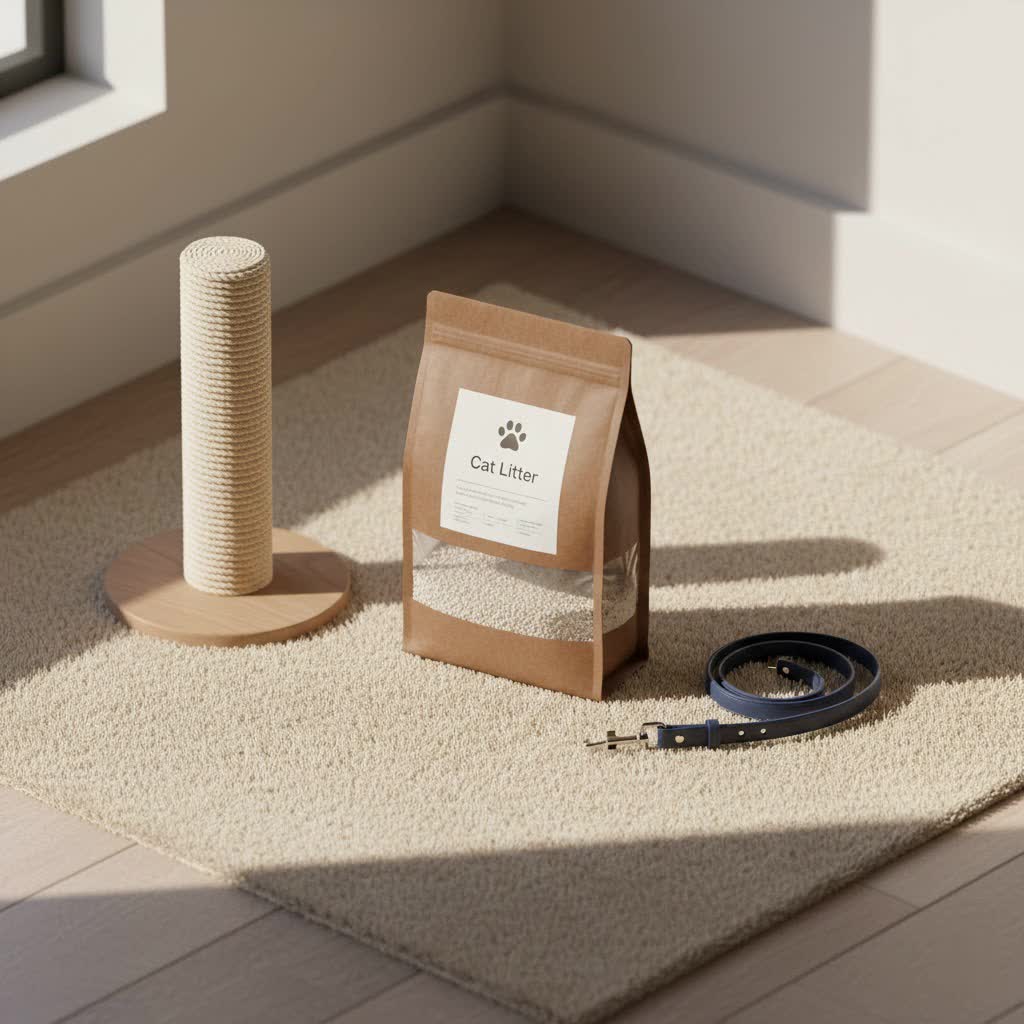
For many cat parents, the litter box is a necessary evil – a functional item that often detracts from home aesthetics. It can be a source of unpleasant odors and scattered litter, disrupting the carefully curated ambiance of your living space. However, the days of unsightly plastic trays dominating your home are over. Cat litter box furniture offers a revolutionary solution, seamlessly blending your feline’s essential needs with your interior design. These innovative pieces transform an ordinary litter box into a discreet and stylish part of your furniture, effectively hiding mess and controlling odors while providing a private sanctuary for your beloved cat. This comprehensive guide will explore everything you need to know about cat litter box furniture, from understanding its benefits and diverse types to choosing the perfect piece for your home and cat.
Cat Litter Box Furniture: Everything You Need to Know
Cat litter box furniture is specifically designed cabinetry or enclosures that discreetly house a standard litter box. Far beyond simple covers, these pieces often serve dual purposes, functioning as end tables, benches, or decorative cabinets while concealing the litter pan within. The primary motivation behind these elegant solutions is to enhance home hygiene and aesthetics. By containing the litter box within a piece of furniture, you can significantly reduce litter scatter, minimize odors, and provide your cat with a sense of privacy they instinctively crave for their bathroom habits. It’s about integrating your pet’s needs into your lifestyle without compromising on style or cleanliness.
Popular Types of Cat Litter Box Furniture
The market offers a diverse range of cat litter box furniture, each designed to fit different home styles and functional requirements. Choosing the right type depends on your space, your cat’s preferences, and your aesthetic goals.
Enclosure Cabinets
Enclosure cabinets are among the most popular choices, providing a fully concealed space for the litter box. These often resemble traditional storage cabinets, hutches, or sideboards, and can feature single or double doors for easy access. Many come with internal dividers, creating a private litter area on one side and a space for litter scoop storage or a cat bed on the other. They are excellent for blending into various decors, from modern to rustic, and offer strong odor and litter containment due to their enclosed nature. Some sophisticated models are even designed to accommodate automatic litter boxes, integrating technology with sleek design.
End Tables & Side Tables
|
Our Picks for the Best Cat Litter in 2026
As an Amazon Associate I earn from qualifying purchases.
|
||
| Num | Product | Action |
|---|---|---|
| 1 | Purina Tidy Cats Clumping Cat Litter, 24/7 Performance Multi Cat Litter - 38 lb. Box |

|
| 2 | Purina Tidy Cats Clumping Cat Litter Odor Control, 24/7 Performance Multi Cat Litter - 16 lb. Bag |
|
| 3 | WORLD'S BEST CAT LITTER Comfort Care Unscented, 32-Pounds - Natural Ingredients, Quick Clumping, Flushable, 99% Dust Free & Made in USA - Long-Lasting Odor Control & Easy Scooping |
|
| 4 | Crystal Cat Litter and Disposable Litter Trays 5 Sets Compatible with Petsafe Scoop-Free Classic/Legacy/Smart Litter Boxes, Triple Leak Proof Design, Excellent OdorControl, One-Hand Disposing. |
|
| 5 | Fresh Step Odor Shield Advanced Multi Cat Clumping Litter with Febreze Freshness, Gain Original Scent, 18.5 lb Each, Pack of 2 (Package May Vary) |
|
| 6 | Mixed Tofu Cat Litter Strong Clumping Litter 99.9% Dust Free and Flushable Cat Litter, Mixed Tofu and Bentonite Natural Sustainable Ingredients Odor Control, Low Tracking(16.8lb, Fresh) |
|
| 7 | Purina Tidy Cats Clumping Multi Cat Litter, Glade Clear Springs - 38 lb. Box |
|
| 8 | ARM & Hammer Cloud Control Platinum Cat Litter, Hypoallergenic, Dust-Free, Multi-Cat, 14-Day Odor Control, 18 lbs – Dander Shield & Baking Soda |
|
| 9 | Fresh Step Clean Paws Advanced Multi Cat Clumping Litter with Febreze Freshness, 18.5 lb Each, Pack of 2 (Package May Vary) |
|
| 10 | Dr. Elsey's Ultra Unscented Clumping Clay Cat Litter 18 lb Bag |
|
For those looking to maximize space and functionality, litter box end tables and side tables are ideal. These pieces seamlessly integrate into your living room or bedroom decor, acting as a regular piece of furniture while discreetly hiding the litter box inside. They typically feature a cut-out entry hole on the side for your cat, making the litter box virtually invisible to guests. The flat top surface can be used for lamps, books, or decorative items, making them a versatile addition to any room, particularly in smaller apartments.
Benches
Litter box benches offer a practical and stylish solution, combining comfortable seating with a hidden litter area. These can be placed in entryways, hallways, or living rooms, providing extra seating while keeping the litter box out of sight. Many benches feature hinged tops or cabinet doors for easy cleaning access, and some even include internal storage for litter bags and scoops. They are a robust option for multi-cat households or larger litter boxes, offering a discreet yet spacious solution.
Decorative Planters
For a truly unique and aesthetically pleasing option, decorative litter box planters disguise the litter box as a large plant pot. These typically feature a faux plant on top, with the litter box concealed within the base. The design allows for ventilation while completely masking the litter box’s function. While often less spacious internally compared to cabinets or benches, they are perfect for homeowners who prioritize unconventional style and want to add a touch of greenery to their indoor spaces.
Multi-tier & Advanced Solutions
Beyond basic enclosures, some cat litter box furniture combines multiple functions. You can find units that integrate a hidden litter box with a cat tree, scratching posts, or even a multi-level cat condo. These advanced solutions are perfect for enriching your cat’s environment while consolidating their necessities into one stylish piece. They are particularly beneficial for multi-cat homes or cats that enjoy climbing and elevated perches.
Comparing Cat Litter Box Furniture Options
Choosing the best cat litter box furniture involves weighing various factors. Here’s a comparison to help you make an informed decision:
| Feature | Enclosure Cabinets | End Tables/Side Tables | Benches | Decorative Planters | Multi-tier Solutions |
|---|---|---|---|---|---|
| Style Integration | High (blends as furniture) | Very High (seamless) | High (extra seating) | Very High (unique decor) | Moderate to High (cat-centric) |
| Odor Control | Excellent (with ventilation/filters) | Good (with ventilation) | Good (often enclosed) | Moderate (vented top) | Good (depends on design) |
| Litter Containment | Excellent | Good | Excellent | Good | Good |
| Ease of Cleaning | Varies (doors, pull-outs) | Varies (hinged tops, doors) | Good (often hinged tops) | Can be cumbersome (lifting plant) | Varies (multi-level access) |
| Cat Access | Side entry | Side entry | Side/front entry | Top entry | Multiple entries |
| Best Use Case | General concealment, storage | Small spaces, dual function | Entryways, extra seating | Decorative accent | Enriched environment, multiple cats |
| Price Range | Mid to High | Mid | Mid to High | Mid | High |
How to Choose the Right Cat Litter Box Furniture
Selecting the perfect cat litter box furniture is a thoughtful process that balances your needs with those of your feline companion. Here are the key factors to consider:
Understand Your Cat’s Preferences & Needs
Your cat’s comfort and willingness to use the enclosure are paramount. Consider their size and mobility; larger cats need more spacious interiors and wider entry points. Kittens or senior cats may require lower entry thresholds. While some cats readily adapt to enclosed spaces, others may prefer more open environments. Observe your cat’s current litter box habits. If they currently use a hooded or top-entry box, they may adjust more easily to an enclosed furniture piece. Ensure the interior is roomy enough for them to comfortably enter, turn around, and dig without feeling confined.
Consider Your Home’s Aesthetics & Space
Cat litter box furniture comes in a vast array of styles, colors, and finishes. Think about your existing home decor and choose a piece that complements it seamlessly. For smaller living areas, a multi-functional end table or bench can be a major upgrade, providing utility while hiding the litter box. Measure your available space carefully to ensure the furniture fits without overcrowding the room. the goal is to make the litter box disappear, not to introduce another bulky item.
Prioritize Practicality & Cleaning Accessibility
The greatest risk of hidden litter boxes is the temptation to clean them less frequently. Therefore, easy access for daily scooping and thorough cleaning is crucial. Look for features like wide-opening doors, hinged tops, or pull-out trays that make maintenance straightforward. Some designs have internal liners or grates that help contain litter and simplify cleanup. The more convenient it is to clean, the more likely you are to maintain a hygienic environment, which is vital for both odor control and your cat’s health.
Evaluate Materials & Durability
The material of your cat litter box furniture directly impacts its durability, ease of cleaning, and odor resistance. Engineered wood and MDF are common, often offering various finishes. Look for moisture-resistant coatings or materials that won’t absorb odors. Materials like ECOFLEX, made from recycled polymers and wood, are excellent for resisting moisture and odors. Rattan can be stylish but might show wear from scratching over time. A sturdy build is essential, especially if the furniture will double as a seating area or hold heavy items.
Read Reviews & Seek Recommendations
Before making a purchase, take the time to read user reviews and seek recommendations from other cat owners. Real-world experiences can provide invaluable insights into a product’s assembly difficulty, true dimensions, cat acceptance, and long-term durability. Pay attention to comments regarding odor control, litter containment, and ease of cleaning, as these are critical performance indicators for litter box furniture.
Tips for Using and Maintaining Your Cat Litter Box Furniture
Once you’ve selected your cat litter box furniture, proper usage and diligent maintenance are key to maximizing its benefits and ensuring a happy environment for your feline friend.
Optimal Placement
Cats prefer private, peaceful spots for their litter box. Place the furniture in a low-traffic area of your home, away from loud noises, their food, and water bowls. Ensure the entry and exit points are clear and unobstructed, as cats like to feel they have an escape route. While these units are designed to blend in, avoid placing them in areas where constant human activity might stress your cat.
Essential Cleaning Practices
Daily scooping is non-negotiable when using enclosed litter box furniture. Odors can quickly concentrate within a confined space, making it unpleasant for your cat and potentially leading to avoidance. Plan for a full litter change and deep cleaning of the furniture interior at least once a week, or more frequently depending on the number of cats and type of litter. Use pet-safe cleaners to wipe down all surfaces.
Choosing the Right Litter
Select a high-quality, absorbent, and odor-controlling cat litter. Clumping litters are often preferred as they make scooping easier and help contain smells. Consider low-dust or dust-free options to minimize airborne particles, which is particularly important in an enclosed environment. Some litter box furniture is compatible with specialized odor-absorbing filters, which can further enhance freshness.
Ensuring Proper Ventilation
Even with the best odor-controlling litter, proper airflow is vital. Most litter box furniture includes ventilation holes or panels to allow air circulation. Ensure these are not blocked. Good ventilation prevents moisture buildup, which can lead to bacterial growth and stronger odors, and keeps the internal environment comfortable for your cat.
Introducing Your Cat to New Furniture
Cats can be particular about their litter box. Introduce the new furniture gradually. Initially, you might place it next to their old litter box with the doors open. Put some of their old, used litter inside to provide a familiar scent. Once they’re comfortable exploring it, you can slowly transition to closing the doors or removing the old litter box entirely. Positive reinforcement, such as treats and praise, can encourage acceptance. Patience is key, as some cats may take a few days or even weeks to fully adjust.
Leading Brands in Cat Litter Box Furniture
Several brands offer high-quality and stylish cat litter box furniture, each with unique features and aesthetics. Some notable names include:
- Frisco: Known for functional and aesthetically pleasing designs, often with versatile entry options.
- The Refined Feline: Specializes in modern, elegant, furniture-grade pieces with thoughtful features like liners and storage drawers.
- Tuft + Paw: Offers luxury, high-design enclosures built with premium materials.
- Merry Products: Provides a range of versatile options, including popular washroom benches.
- Unipaws: Features various enclosures with practical designs, often with hinged tops for easy cleaning.
- New Age Pet: Utilizes eco-friendly, moisture and odor-resistant ECOFLEX material in their durable designs.
Exploring these brands can help you find a product that aligns with your specific needs and decor preferences.
Common Mistakes to Avoid with Cat Litter Box Furniture
While cat litter box furniture offers numerous benefits, certain pitfalls can negate its advantages and even deter your cat from using it.
- Not Cleaning Frequently Enough: The most critical mistake. Enclosed spaces can trap odors, making the box unappealing to your cat if not scooped daily. Out of sight should not mean out of mind.
- Ignoring Your Cat’s Discomfort: Some cats genuinely dislike enclosed spaces. If your cat avoids the new furniture, shows signs of stress, or begins eliminating outside the box, it may not be the right solution for them. Forcefully trying to make them use it can lead to behavioral problems.
- Inadequate Ventilation: Poor airflow leads to strong odor buildup and an unhealthy environment. Ensure any furniture piece has sufficient ventilation or consider adding an odor-absorbing filter.
- Selecting the Wrong Size: A litter box furniture piece that is too small for your cat or the litter box itself can make your cat feel cramped and uncomfortable, leading to avoidance. Always check internal dimensions against your cat and litter box size.
- Blocking Entry/Exit: Cats need to feel they can easily enter and exit. Never place the furniture in a tight corner or against a wall that blocks the entrance or any potential escape routes.
Where to Purchase Cat Litter Box Furniture
Cat litter box furniture is widely available through various channels, making it convenient to find the perfect piece.
- Online Retailers: Websites like Chewy, Amazon, Wayfair, and Overstock offer an extensive selection with detailed product descriptions, customer reviews, and competitive pricing. This is often the best option for variety and comparison.
- Pet Specialty Stores: Larger pet stores may carry a limited selection of litter box furniture, allowing you to see some options in person.
- Furniture Stores: Some home furniture retailers or home decor stores may occasionally stock stylish pet furniture, including litter box enclosures that blend seamlessly with their other offerings.
When purchasing, to check return policies, especially given that cat preferences can vary.
Conclusion
Cat litter box furniture is an elegant and practical solution for modern cat owners, transforming a typically unappealing necessity into a stylish home accent. By effectively controlling odors, reducing litter scatter, and providing vital privacy for your feline friend, these multi-functional pieces enhance both your home’s aesthetic and your cat’s well-being. From sleek end tables to spacious cabinets, there’s a design to suit every taste and space. Making an informed choice based on your cat’s needs, your home’s style, and ease of maintenance will ensure a harmonious living environment for everyone. Explore the diverse options available and discover how effortlessly you can integrate your cat’s litter box into your home decor.
Frequently Asked Questions
Do cats really like enclosed litter boxes?
Cats have individual preferences, but many can adapt well to enclosed litter boxes, especially if they are kept clean, are adequately sized, and offer easy access. Some shy or anxious cats may even appreciate the added privacy and security.
How do I prevent odor in litter box furniture?
Daily scooping is crucial. Choose a high-quality, odor-controlling litter, ensure the furniture has good ventilation (or add activated charcoal filters), and perform regular deep cleaning of the entire enclosure with pet-safe cleaners.
What size litter box furniture should I buy?
The furniture should be large enough to comfortably fit your cat and their litter box, allowing them to turn around and dig without feeling confined. For larger cats, seek out “jumbo” or “extra-large” enclosures.
Can automatic litter boxes be used with litter box furniture?
Yes, many modern litter box furniture pieces are designed to accommodate automatic litter boxes, often including features like cord cutouts and sufficient interior space. Always check the product specifications for compatibility.
Is cat litter box furniture difficult to clean?
It depends on the design. Look for features that enhance accessibility, such as large hinged doors, pull-out trays, or lift-off tops, which make daily scooping and periodic deep cleaning much easier.
How do I introduce my cat to new litter box furniture?
Introduce it gradually. Place the new furniture near the old litter box, leaving the door open. Put some familiar, used litter inside. Use treats and praise to encourage exploration, and slowly transition by removing the old box once your cat is comfortable.
What are the best materials for litter box furniture?
Durable, moisture-resistant, and easy-to-clean materials are best. Engineered wood with protective finishes, MDF, and recycled wood-plastic composites (like ECOFLEX) are common choices that resist odor absorption and wear.
Pet products vetted on real animals
Practical specs, not advice. Unsubscribe anytime.

This was super helpful in understanding the different types of litter box furniture. I was debating between a bench and an end table design. I went with an end table, and it’s great for hiding the mess. My only minor complaint is that the assembly was a bit tricky, but once it was together, it looked fantastic. Definitely a step up from the old open-air box.
I was so tired of seeing the ugly plastic litter box in my living room, and this guide really helped me find a stylish solution. I ended up getting one of those enclosed cabinet styles, and it blends in perfectly with my other furniture. My cat, Mittens, took to it right away, and I’ve noticed a huge difference in odor control. It’s a game-changer for keeping my home looking nice.
Finally, a way to deal with the scattered litter problem! I got a top-entry litter box enclosure, and it has drastically reduced the amount of litter tracked around my house. My cat seems to like the privacy too. It’s amazing how much better my living space feels without a visible litter box. Highly recommend exploring these furniture options.
I appreciate the ideas for integrating the litter box into home decor. I tried one of the more budget-friendly options mentioned, and while it does hide the litter box, the odor control isn’t as strong as I’d hoped. I still have to clean it very frequently to keep smells down. It’s better than nothing, but I might invest in a higher-end piece next time for better ventilation.