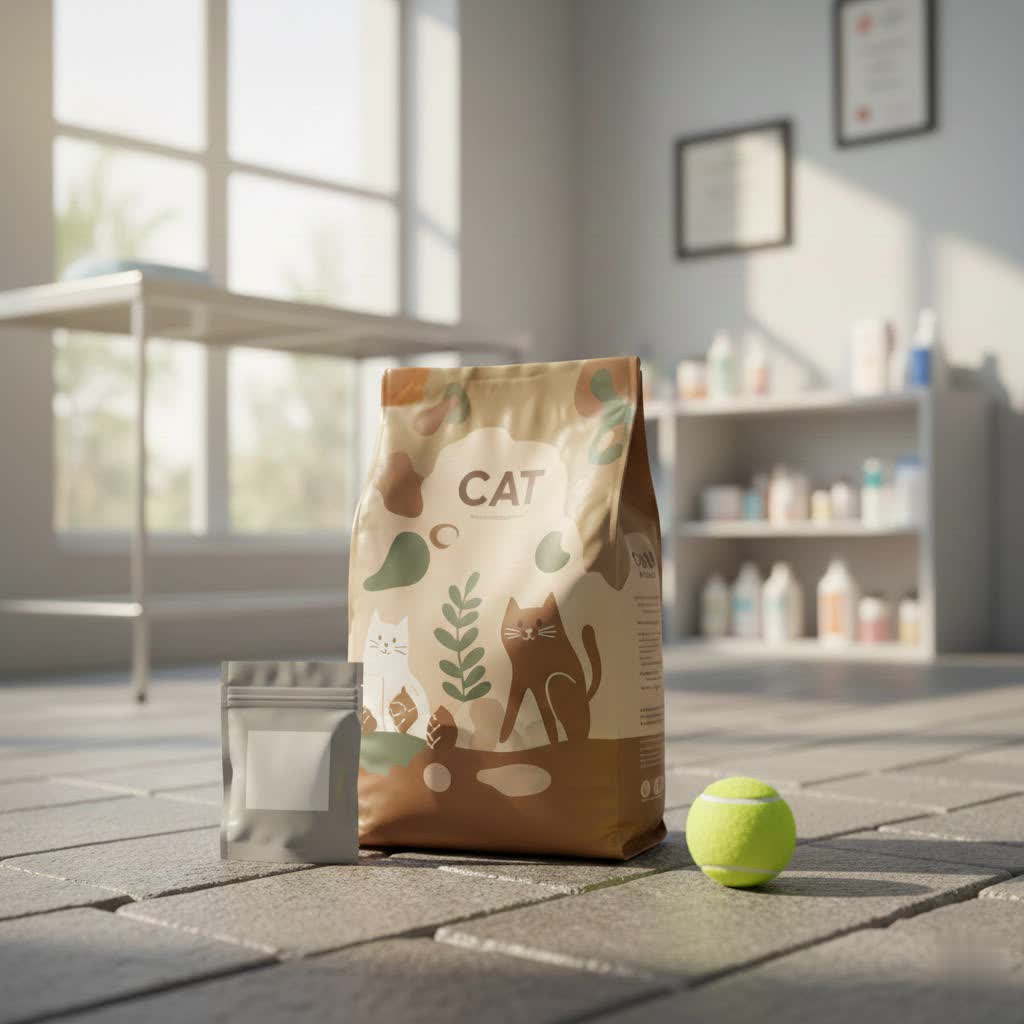
As a cat parent, you know the struggle: lugging heavy bags of cat litter from the store, wrestling them home, and then straining your back to pour it into the litter box. It’s a chore that makes many of us dread litter box maintenance. But what if there was a better way? Enter lightweight cat litter – a modern marvel designed to make your life, and your cat’s environment, significantly easier and cleaner. This innovative solution promises all the performance of traditional litter at a fraction of the weight, transforming a cumbersome task into a simple routine.
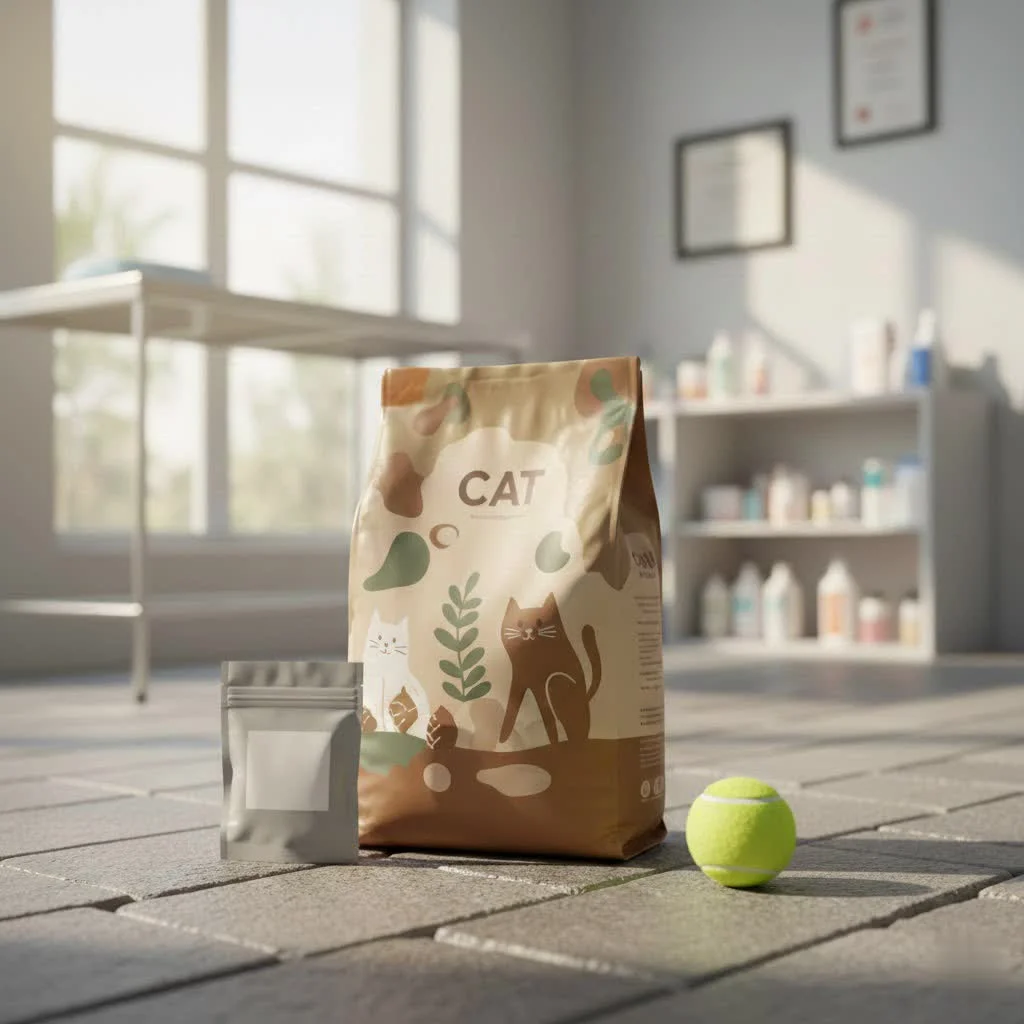
Lightweight Cat Litter: The Modern Solution for Effortless Pet Care
Maintaining a clean and odor-free litter box is paramount for your cat’s health and your home’s hygiene. Historically, this has involved heavy, dense litter materials that, while effective, presented a physical challenge for many. Lightweight cat litter emerged as a game-changer, offering the same volume of litter with a dramatically reduced weight. This innovation directly addresses the primary pain points of cat owners, from ease of transport to daily scooping, without compromising on essential functions like odor control and clumping ability. It’s not just about less weight; it’s about smarter pet care. For complete cat litter library on this site.
Decoding the Different Types of Lightweight Cat Litter
Lightweight cat litters come in various formulations, each leveraging different materials and technologies to achieve reduced weight while maintaining performance. Understanding these types can help you choose the best option for your feline companion and household.
Clay-Based Lightweight Litter
Clay-based lightweight litters are a familiar option, offering the classic clumping action many cat owners prefer. These litters achieve their reduced weight through special processing techniques, often by incorporating lightweight minerals such as perlite, bentonite, or diatomaceous earth into the clay mixture.
- Pros:
- Excellent clumping: Forms strong, tight clumps that are easy to scoop, which helps in efficient waste removal.
- Familiar texture: Many cats are already accustomed to the feel of clay litter.
- Good odor control: Often infused with deodorizers or activated charcoal to neutralize strong odors.
- Cons:
- Dust potential: While many are marketed as low-dust, some clay-based options can still create dust during pouring or when cats dig.
- Tracking: Lighter clay particles can sometimes stick to paws and be tracked outside the litter box more easily than traditional clay.
Plant-Based Lightweight Litter
For those seeking more eco-friendly and natural options, plant-based lightweight litters offer a compelling alternative. These litters are derived from renewable resources and often boast biodegradability and flushability (check local regulations).
- Materials: Common plant-based materials include:
- Corn: Known for good clumping and natural odor absorption.
- Wheat: Offers a soft texture and effective odor control.
- Wood (spruce, fir, pine): Often comes in pellet form, providing natural scent and good absorbency.
- Soy/Tofu: Highly absorbent, dust-free, and often flushable, with a smooth, paw-friendly texture.
- Paper: Typically made from recycled paper, it’s soft, dust-free, and highly absorbent, ideal for sensitive paws or post-surgical recovery.
- Pros:
- Eco-friendly: Biodegradable and made from sustainable resources.
- Gentle on paws: Generally softer textures that many cats find comfortable.
- Low dust: Most plant-based litters are significantly less dusty than clay.
- Natural odor control: Many varieties naturally neutralize odors without harsh perfumes.
- Flushable (some types): Offers convenient disposal for certain formulations, depending on local plumbing systems.
- Cons:
- Higher cost: Generally more expensive than clay litters.
- Clumping variations: Clumping ability can vary greatly between brands and materials; some may form softer clumps.
- Tracking: Lighter pellets or fibers can still be tracked, though often less fine dust.
- Natural scent: Some users may find the natural earthy or woody scent noticeable.
Crystal (Silica Gel) Lightweight Litter
|
Our Picks for the Best Cat Litter in 2026
As an Amazon Associate I earn from qualifying purchases.
|
||
| Num | Product | Action |
|---|---|---|
| 1 | Purina Tidy Cats Clumping Cat Litter, 24/7 Performance Multi Cat Litter - 38 lb. Box |

|
| 2 | Mixed Tofu Cat Litter Strong Clumping Litter 99.9% Dust Free and Flushable Cat Litter, Mixed Tofu and Bentonite Natural Sustainable Ingredients Odor Control, Low Tracking(16.8lb, Fresh) |
|
| 3 | Dr. Elsey's Ultra Unscented Clumping Clay Cat Litter 18 lb Bag |
|
| 4 | ARM & Hammer Cloud Control Platinum Cat Litter, Hypoallergenic, Dust-Free, Multi-Cat, 14-Day Odor Control, 18 lbs – Dander Shield & Baking Soda |
|
| 5 | WORLD'S BEST CAT LITTER Comfort Care Unscented, 32-Pounds - Natural Ingredients, Quick Clumping, Flushable, 99% Dust Free & Made in USA - Long-Lasting Odor Control & Easy Scooping |
|
| 6 | Purina Tidy Cats Clumping Cat Litter Odor Control, 24/7 Performance Multi Cat Litter - 16 lb. Bag |
|
| 7 | Fresh Step Odor Shield Advanced Multi Cat Clumping Litter with Febreze Freshness, Gain Original Scent, 18.5 lb Each, Pack of 2 (Package May Vary) |
|
| 8 | Purina Tidy Cats Clumping Multi Cat Litter, Glade Clear Springs - 38 lb. Box |
|
| 9 | Crystal Cat Litter and Disposable Litter Trays 5 Sets Compatible with Petsafe Scoop-Free Classic/Legacy/Smart Litter Boxes, Triple Leak Proof Design, Excellent OdorControl, One-Hand Disposing. |
|
| 10 | Fresh Step Clean Paws Advanced Multi Cat Clumping Litter with Febreze Freshness, 18.5 lb Each, Pack of 2 (Package May Vary) |
|
Crystal cat litter, made from silica gel, represents another lightweight category known for its powerful absorption and odor-locking capabilities. These porous crystals quickly absorb moisture and trap odors, requiring less frequent full litter changes.
- Pros:
- Superior absorbency: Highly effective at soaking up urine, often changing color to indicate saturation.
- Excellent odor control: Traps and neutralizes odors for extended periods.
- Less frequent changes: Due to high absorbency, the litter itself may last longer, though solid waste still needs daily scooping.
- Low dust: Typically very low in dust.
- Low tracking (larger crystals): Larger crystal sizes can reduce tracking compared to fine-grained litters.
- Cons:
- Higher initial cost: Can be more expensive upfront, although the longevity might offset this.
- Texture: The hard, pebble-like texture might not be preferred by all cats, especially those with sensitive paws.
- Noise: Can be noisy when cats dig or step on it.
- Health monitoring potential: Some crystal litters are designed to change color to alert owners to potential urinary issues in their cats.
Benefits of Embracing Lightweight Cat Litter
Switching to lightweight cat litter offers a multitude of advantages that can significantly improve your litter box routine and overall home environment.
Ease of Handling and Convenience
This is arguably the most significant benefit. Lightweight litter bags and jugs are noticeably easier to carry from the store, lift onto shelves, and pour into the litter box. For individuals with back problems, arthritis, or limited mobility, as well as those living in multi-story homes or apartments, this convenience is invaluable. The reduced weight makes regular maintenance less of a chore, encouraging more consistent litter box cleaning.
Reduced Waste Weight
When it comes time to dispose of soiled litter, lightweight options lighten that burden too. Scooped clumps and full litter box changes result in lighter waste bags, making disposal easier on your garbage bins and your back.
Effective Odor Control & Absorption
Despite their reduced density, modern lightweight litters are engineered to perform just as well, if not better, than their heavier counterparts. They often incorporate advanced odor-fighting technologies, such as activated charcoal or ammonia blockers, ensuring your home remains fresh. Their porous structures or advanced clumping agents ensure quick and efficient absorption of liquids, locking away moisture and odors.
Lower Dust Formulas
Many lightweight litter formulations are specifically designed to be low-dust, which is a major plus for both cats and humans. Reduced dust means a cleaner pouring experience, less respiratory irritation for sensitive cats and owners, and a cleaner surrounding area around the litter box.
Cat Comfort
Certain types of lightweight litter, particularly plant-based varieties, offer a softer, more natural texture that some cats prefer. This can mimic the feel of outdoor soil, making the litter box a more appealing place for your feline friend and potentially reducing litter aversion issues.
Potential Drawbacks and How to Mitigate Them
While lightweight cat litter offers many advantages, it’s important to be aware of potential downsides and how to address them effectively.
Tracking Issues
One common concern with lightweight litter is tracking. Because the particles are lighter, they can more easily cling to a cat’s paws and fur, being carried out of the litter box.
- Mitigation: Place a high-quality litter mat with deep grooves or a textured surface around the litter box to catch stray particles. Consider a litter box with higher sides or a top-entry design to minimize litter scattering. Regularly vacuuming or sweeping the area can also help keep tracking in check.
Higher Cost
Lightweight litters often come with a higher price tag per pound compared to traditional clay litters. This can be a deterrent for budget-conscious cat owners.
- Mitigation: While the upfront cost may be higher, consider the value in terms of convenience and potentially less frequent full litter changes due to superior absorption and odor control. Some brands offer subscription services or larger bulk options that can reduce the per-pound cost.
Clumping Performance Variations
While many lightweight litters boast excellent clumping, some plant-based varieties might produce softer clumps that can break apart more easily during scooping.
- Mitigation: Read reviews and product descriptions carefully to choose brands known for strong clumping. Scoop frequently, ideally immediately after your cat uses the box, to allow clumps to form optimally before they are disturbed.
Dust Concerns
Although many lightweight litters are low-dust, some formulations, particularly certain clay-based ones, can still be dusty.
- Mitigation: Opt for brands specifically advertising “99.9% dust-free” or “ultra low dust.” Consider crystal or tofu-based litters if dust is a significant concern. Pour litter gently into the box to minimize airborne particles.
Choosing the Right Lightweight Cat Litter for Your Feline Friend
Selecting the ideal lightweight cat litter involves a blend of understanding your cat’s needs and your own preferences.
Consider Your Cat’s Preferences
Your cat’s comfort and acceptance are key.
- Texture: Does your cat prefer a fine, sandy texture or larger pellets? Some cats are sensitive to rough textures, making softer plant-based options a good choice.
- Scent: Many cats are sensitive to strong perfumes. Unscented or naturally scented litters are often preferred, as added fragrances can deter cats from using the litter box.
Evaluate Key Performance Metrics
Look for a litter that excels in the areas most important to you.
- Odor Control: If odor is a major concern, prioritize litters with advanced odor-locking technology or activated charcoal.
- Clumping: For easy daily scooping and minimal waste, strong clumping action is essential.
- Dust Level: If you or your cat have respiratory sensitivities, a truly low-dust formula is non-negotiable.
Factor in Your Lifestyle
Your personal situation also plays a role in the best choice.
- Budget: Balance the cost per pound with the benefits of convenience and performance.
- Ease of Disposal: If flushability is important, explore plant-based options (after checking local regulations).
- Environmental Concerns: If sustainability is a priority, biodegradable plant-based litters are an excellent choice.
The Transition Period
When introducing a new litter, do so gradually. Start by mixing a small amount of the new lightweight litter with your current litter, slowly increasing the ratio over several days or weeks. Observe your cat’s reaction to ensure a smooth transition.
Expert Tips for Maximizing Lightweight Cat Litter Performance
Beyond choosing the right litter, proper usage and maintenance can enhance the benefits of lightweight cat litter.
Proper Litter Box Maintenance
Regular scooping is crucial, ideally twice daily, to remove waste and maintain hygiene. This prevents odors from building up and keeps the remaining litter fresh. A full litter change should occur every 2-4 weeks, depending on the litter type and the number of cats using the box.
Ideal Litter Depth
Aim for a depth of 2-3 inches of litter in the box. This allows cats to dig and cover their waste effectively, promoting better odor control and clumping. Too little litter can lead to waste sticking to the bottom of the box, while too much can result in more tracking.
Litter Box Location
Place litter boxes in quiet, easily accessible locations where your cat feels safe and has privacy. Avoid high-traffic areas or spots near noisy appliances that might deter them. Ensure there are enough litter boxes for your household – generally, one per cat plus one extra.
Storage
Store unused lightweight cat litter in a cool, dry place, ideally in an airtight container to preserve its freshness and absorbency and prevent moisture absorption. This also keeps it safe from curious pets.
Top Lightweight Cat Litter Brands to Consider
The market offers a variety of reputable lightweight cat litter brands, each with unique features.
- Purina Tidy Cats Lightweight: A popular choice known for its strong odor control, clumping ability, and a significant weight reduction (up to 50% lighter). It often includes ammonia blockers for extended freshness.
- Arm & Hammer Lightweight: Utilizes baking soda for powerful odor neutralization and offers easy-to-scoop clumps. Their lightweight formulas focus on making litter box maintenance less strenuous.
- World’s Best Cat Litter: Offers plant-based lightweight options, typically made from corn. These are often praised for excellent clumping, natural odor control, and flushability.
- ökocat Featherweight: Known for its wood fiber-based lightweight litter, which is biodegradable, offers good odor control, and a gentle texture.
- Cat’s Pride Lightweight: Provides various lightweight clay options with strong clumping and odor control, often featuring a significant weight reduction.
These brands consistently receive positive feedback for balancing weight reduction with effective performance, offering diverse choices for different cat and owner needs.
Common Misconceptions About Lightweight Cat Litter
Despite its growing popularity, some myths about lightweight cat litter persist.
“Less weight means less product.”
This is incorrect. Lightweight litters are designed to provide the same volume as traditional litters but are less dense. A 10-pound bag of lightweight litter will fill a litter box to the same depth as a 20-pound bag of regular litter, meaning you’re getting the same amount of coverage.
“It’s less effective.”
Many lightweight litters are formulated with advanced technologies that make them just as, if not more, effective than traditional litters in terms of odor control, absorption, and clumping. Manufacturers have innovated to ensure performance isn’t sacrificed for convenience.
“All lightweight litters are the same.”
Just like traditional litters, lightweight options vary significantly in their composition (clay, plant-based, crystal), clumping ability, dust levels, and odor control performance. Researching specific brands and types is essential to find the best fit.
Conclusion
Lightweight cat litter has revolutionized the way cat owners approach litter box maintenance, transforming a once-arduous task into a remarkably simpler one. With its significant reduction in weight, these innovative litters ease the strain of carrying, pouring, and disposing, making them a godsend for anyone seeking greater convenience, especially those with mobility challenges. Beyond the undeniable physical benefits, modern lightweight formulas deliver impressive performance in odor control, absorption, and clumping, often with the added advantages of lower dust and more eco-friendly options.
By understanding the different types—from specially processed clay to natural plant-based and highly absorbent crystal varieties—and considering your cat’s preferences alongside your own lifestyle needs, you can confidently choose a lightweight litter that promises a cleaner home and a happier, healthier feline companion. Have you experienced the transformative power of lightweight cat litter in your home?
Frequently Asked Questions
Is lightweight cat litter safe for kittens?
Most lightweight litters are safe for adult cats, but clumping litters, including lightweight clumping varieties, are generally not recommended for very young kittens. Kittens tend to ingest litter during grooming, and clumping materials can cause digestive issues. It’s best to use non-clumping litter for kittens until they are a few months old.
How does lightweight cat litter control odor effectively despite being lighter?
Lightweight cat litters utilize advanced, highly porous materials and often incorporate odor-neutralizing agents like activated charcoal or ammonia blockers. These components are extremely efficient at trapping and absorbing odors at a molecular level, allowing the litter to be lighter in weight while maintaining superior odor control.
Can I mix lightweight cat litter with my regular cat litter?
Yes, you can mix lightweight cat litter with regular litter, especially during a transition period. Start by replacing a small portion of your current litter with the lightweight option and gradually increase the ratio. This allows your cat to adjust to the new texture and scent without abrupt changes.
Is lightweight cat litter more environmentally friendly?
It depends on the type. Many plant-based lightweight litters (made from corn, wheat, wood, or soy) are biodegradable and sourced from renewable resources, making them more environmentally friendly than traditional clay litters. However, lightweight clay or crystal litters have a similar environmental impact to their heavier counterparts.
Will lightweight cat litter track more than regular litter?
Due to its lighter density, some lightweight litters can be more prone to tracking. However, many brands specifically design their lightweight formulas to minimize tracking and dust. Using a good quality litter mat, a high-sided litter box, or choosing larger-particle lightweight options can significantly reduce this issue.
Pet products vetted on real animals
Practical specs, not advice. Unsubscribe anytime.
