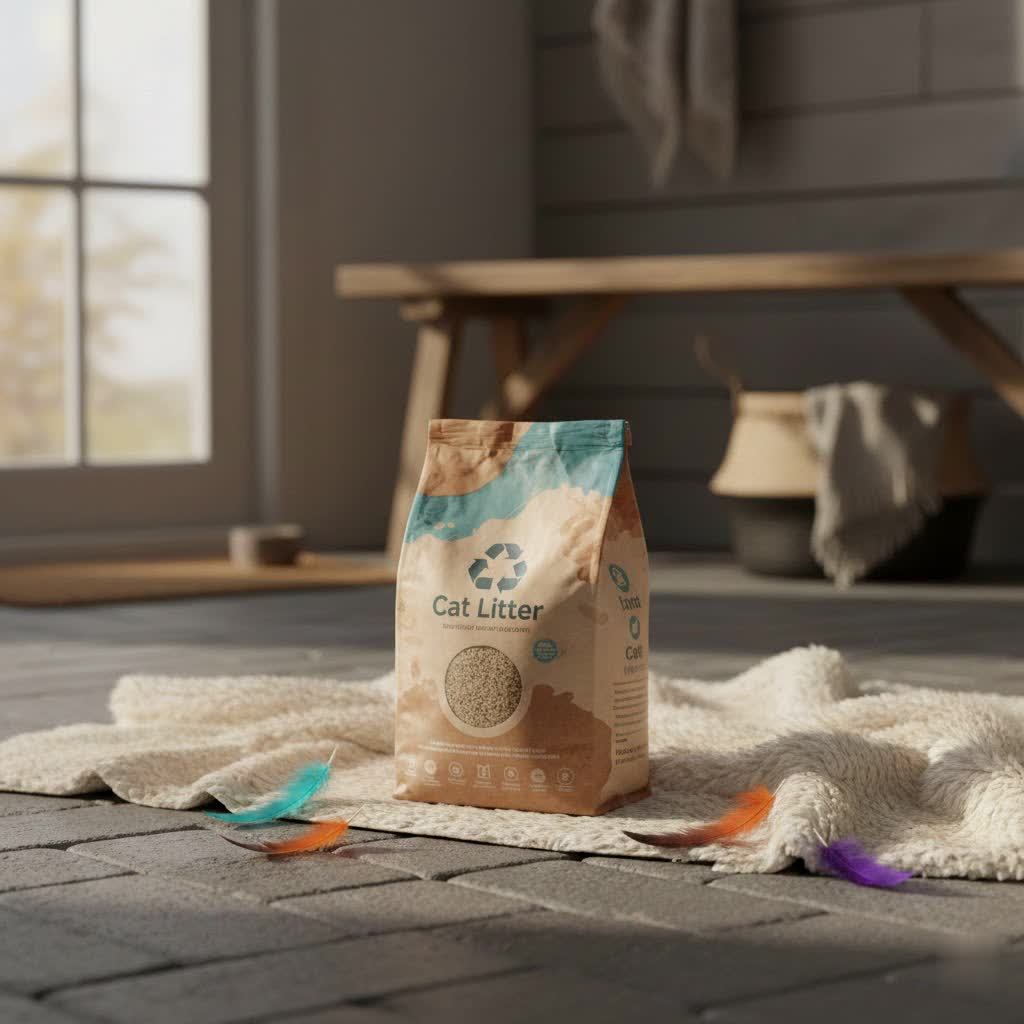
If you’re a cat parent, the familiar sight of scattered litter granules across your floors is likely a daily struggle. This “litter tracking” can be frustrating, leading to constant sweeping and a less-than-pristine home. Fortunately, the world of cat care has evolved, offering innovative low tracking cat litter solutions designed to keep your home cleaner and your feline friend happier. Let’s dive into everything you need to know to win the battle against litter mess.
Cat Litter: All You Need to Know for a Cleaner Home
Choosing the right cat litter is more than just a matter of preference; it significantly impacts your cat’s health, hygiene, and the cleanliness of your living space. Litter tracking, where small particles adhere to your cat’s paws and fur, then spread throughout your home, is a common issue. Low tracking litter is specifically formulated to minimize this, offering a welcome respite from endless clean-ups and ensuring a more harmonious environment for both you and your beloved pet. For expert cat litter reviews on this site.
Popular Types of Cat Litter and Their Tracking Properties
Understanding the different types of cat litter available is crucial for selecting one that effectively minimizes tracking while meeting your cat’s needs. Each material has unique characteristics that influence its dustiness and how easily it clings to paws.
Clay Litter (Traditional)
Traditional clay litter, particularly the fine-grained clumping varieties, is notorious for tracking. Its small, lightweight particles readily stick to paws and create significant dust, which can then be carried far from the litter box. While often affordable and widely available, its tracking tendencies make it a less ideal choice for those seeking a pristine home.
Bentonite Litter
A specific type of clumping clay, bentonite litter offers good clumping capabilities, which can aid in odor control. However, similar to other fine clay litters, it is prone to dust and tracking. The small, granular nature means it can easily get caught between paw pads and spread.
Silica Gel Litter (Crystal Litter)
Silica gel litter, commonly known as crystal litter, stands out for its excellent absorption and odor control. Made from porous silica gel crystals, it effectively locks away moisture and smells. Its larger, heavier granules and typically dust-free nature make it a top contender for low tracking properties, keeping the litter contained within the box area.
Wood Litter (Pine or Cedar)
Wood litter often comes in pellet form, which naturally makes it less prone to tracking than fine clay. The larger, denser pellets are less likely to cling to fur or be kicked out of the box. However, as these pellets absorb moisture, they can break down into sawdust, which may then contribute to some tracking, though generally less than traditional clay. It’s also an environmentally friendly choice.
Paper Litter
|
Our Picks for the Best Cat Litter in 2026
As an Amazon Associate I earn from qualifying purchases.
|
||
| Num | Product | Action |
|---|---|---|
| 1 | Fresh Step Odor Shield Advanced Multi Cat Clumping Litter with Febreze Freshness, Gain Original Scent, 18.5 lb Each, Pack of 2 (Package May Vary) |

|
| 2 | Mixed Tofu Cat Litter Strong Clumping Litter 99.9% Dust Free and Flushable Cat Litter, Mixed Tofu and Bentonite Natural Sustainable Ingredients Odor Control, Low Tracking(16.8lb, Fresh) |
|
| 3 | Purina Tidy Cats Clumping Multi Cat Litter, Glade Clear Springs - 38 lb. Box |
|
| 4 | WORLD'S BEST CAT LITTER Comfort Care Unscented, 32-Pounds - Natural Ingredients, Quick Clumping, Flushable, 99% Dust Free & Made in USA - Long-Lasting Odor Control & Easy Scooping |
|
| 5 | ARM & Hammer Cloud Control Platinum Cat Litter, Hypoallergenic, Dust-Free, Multi-Cat, 14-Day Odor Control, 18 lbs – Dander Shield & Baking Soda |
|
| 6 | Fresh Step Clean Paws Advanced Multi Cat Clumping Litter with Febreze Freshness, 18.5 lb Each, Pack of 2 (Package May Vary) |
|
| 7 | Purina Tidy Cats Clumping Cat Litter, 24/7 Performance Multi Cat Litter - 38 lb. Box |
|
| 8 | Purina Tidy Cats Clumping Cat Litter Odor Control, 24/7 Performance Multi Cat Litter - 16 lb. Bag |
|
| 9 | Dr. Elsey's Ultra Unscented Clumping Clay Cat Litter 18 lb Bag |
|
| 10 | Crystal Cat Litter and Disposable Litter Trays 5 Sets Compatible with Petsafe Scoop-Free Classic/Legacy/Smart Litter Boxes, Triple Leak Proof Design, Excellent OdorControl, One-Hand Disposing. |
|
Recycled paper litter typically comes in soft, absorbent pellets or crumbles. This type is generally very low in dust and tracking, as the particles are larger and softer, making them less adhesive to paws. Paper litter is an excellent option for cats with sensitive paws, kittens, or those prone to respiratory issues. However, its odor control and clumping ability may vary and often require more frequent changes.
Soy Litter (Tofu Litter)
Soy or tofu litter is a natural, biodegradable option known for its excellent clumping and low tracking features. It often comes in larger, uniform pellets that are soft on paws, produce minimal dust, and are less likely to be carried out of the box. Many soy litters are also flushable, offering convenient disposal, though they tend to be at a higher price point.
Comparing Different Cat Litter Types for Low Tracking
To help you visualize the differences, here’s a comparison of common cat litter types, with a focus on how they perform in terms of tracking:
| Litter Type | Price | Odor Control | Absorption | Dust Level | Clumping | Environmental Friendliness | Tracking Level |
|---|---|---|---|---|---|---|---|
| Clay (Traditional) | Low | Moderate | Good | High | Variable | Low | High |
| Bentonite | Moderate | Good | Excellent | High | Excellent | Low | High |
| Silica Gel | High | Excellent | Excellent | Low | Non-clumping | Moderate | Low |
| Wood (Pellets) | Moderate | Good | Good | Low/Medium | Variable | High | Low/Medium |
| Paper (Recycled) | Moderate | Moderate | Good | Low | Low | High | Low |
| Soy/Tofu | High | Good | Excellent | Low | Excellent | High | Low |
Choosing the Right Low Tracking Cat Litter
Selecting the perfect low tracking cat litter involves a blend of understanding your cat’s unique needs, your budget, and the specific characteristics of the litter itself. No single litter is ideal for every cat or household, so consider these factors carefully.
Consider Your Cat’s Needs
Your cat is the ultimate decision-maker. Factors such as their age, respiratory health, paw sensitivity, and even fur length can influence their comfort and acceptance of a new litter. Kittens and elderly cats might prefer softer textures like paper or soy. Cats with respiratory issues will benefit immensely from low-dust formulas like crystal or many pellet types. Long-haired cats are more prone to litter clinging to their fur, making larger, heavier pellets a better choice. Observe your cat’s reactions carefully when introducing new litters.
Evaluate Your Budget
Low tracking litters can vary significantly in price. While some, like certain wood or paper litters, might be relatively affordable, premium options such as silica gel or soy litter often come with a higher price tag. Consider not just the initial cost of the bag, but also how frequently it needs to be changed and its overall lifespan. Sometimes, a more expensive litter that lasts longer or performs better can be more cost-effective in the long run.
Read Ingredients and Reviews
Always examine the ingredients list to ensure the litter is safe and non-toxic for your cat. Look for claims of being “99% dust-free” or “low tracking,” and cross-reference these with user reviews. Pay attention to feedback regarding actual tracking, dust levels, odor control, and clumping performance from other cat parents, especially those with similar cat breeds or household situations.
Experiment with Different Litters
Finding the perfect low tracking litter might require some trial and error. Start by purchasing smaller bags of different types to see which one your cat prefers and which performs best in your home. You might even try mixing a new litter with their current one to help them adjust. Introduce changes gradually to avoid upsetting your cat’s routine and causing litter box aversion.
Essential Tips for Using and Maintaining Cat Litter to Minimize Tracking
Even the best low tracking cat litter can benefit from strategic placement and consistent maintenance to achieve maximum cleanliness. Implementing these tips can significantly reduce stray litter around your home.
Choose the Right Litter Box
The design of your litter box plays a crucial role in containing litter. Consider high-sided litter boxes to prevent enthusiastic diggers from kicking litter over the edge. Top-entry litter boxes are also excellent for minimizing tracking, as cats have to jump out, shaking off loose particles on the lid before exiting. Covered litter boxes can also help contain litter, though ensure they are well-ventilated for your cat’s comfort.
Use Proper Litter Depth
While it might seem counterintuitive, overfilling the litter box can actually increase tracking. Too much litter provides more material for your cat to fling out or for granules to adhere to their paws. Conversely, too little litter might not allow for proper burying and odor control. Aim for about 2-3 inches of litter, or whatever your chosen litter’s manufacturer recommends for optimal performance.
Regular Scooping and Cleaning
A clean litter box is less likely to contribute to tracking. Scooping waste at least once, preferably twice, daily prevents clumps from breaking down and creating smaller, more trackable particles. Regularly cleaning and refreshing the entire litter box, typically every 2-4 weeks depending on the litter type and number of cats, also helps maintain its effectiveness.
Utilize Litter Mats
Litter mats are a game-changer for reducing tracking. Place a large, textured mat directly in front of or under the litter box. The mat’s surface, whether ribbed, mesh, or honeycomb, is designed to catch loose litter from your cat’s paws as they exit. Shake out or vacuum these mats frequently to keep them effective. For long-haired cats or particularly messy ones, consider layering multiple mats or using an extra-large mat.
Strategic Litter Box Placement
The location of your litter box can impact how far tracked litter spreads. Placing the box in a low-traffic area, or a room with hard floors rather than carpet, can make clean-up easier and limit dissemination. A secluded spot also offers your cat privacy, which they often appreciate. Consider adding a small barrier or furniture around the box to create an extra containment zone.
Grooming Your Cat Helps Too
For long-haired cats, trimming the fur between their paw pads can significantly reduce the amount of litter they carry out of the box. This simple grooming step removes hiding spots for litter granules and can be a valuable addition to your anti-tracking strategy.
Reputable Low Tracking Cat Litter Brands
Many brands have developed specific formulas designed to combat litter tracking, often using larger granules or unique materials. Some highly regarded options in the market include:
- World’s Best Cat Litter: Especially their “Low Tracking & Dust Control” formula, made from corn, which offers good clumping and natural odor control.
- Tuft & Paw Really Great Cat Litter: A premium soybean fiber litter known for being ultra-low tracking, low dust, and flushable.
- PetSafe ScoopFree Crystal Litter: Ideal for use with their self-cleaning systems, these silica gel crystals excel at odor absorption and are virtually dust and track-free.
- Feline Pine Original Litter: Made from natural pine, these large pellets are environmentally friendly and offer good tracking control, though they can break down into sawdust.
- ökocat Less Mess Clumping Wood Litter: Uses reclaimed wood fibers in a pellet form that clumps well and minimizes tracking.
Common Mistakes When Using Cat Litter That Lead to Tracking
Even with the best intentions, certain habits can inadvertently contribute to litter tracking. Avoiding these common pitfalls will help maintain a cleaner environment for you and your cat.
Not Cleaning the Litter Box Regularly
Infrequent scooping allows urine and feces to break down, creating smaller, stickier particles that are more prone to tracking. A consistently dirty box also deters cats, potentially leading to accidents outside the box or increased digging, both of which exacerbate tracking.
Using the Wrong Litter Type or Granule Size
Opting for fine-grained clay litters without considering their tracking potential is a primary mistake. If tracking is an issue, stick with litters specifically designed with larger, heavier granules like pellets or crystals, which are less likely to adhere to paws or be kicked out.
Overfilling or Underfilling the Litter Box
Overfilling a litter box creates an excess of loose litter that is easily kicked out or picked up by paws. Conversely, too little litter can lead to poor odor control and cause cats to dig more aggressively, increasing scatter. Adhere to the recommended fill lines, typically 2-3 inches.
Neglecting Litter Mats or Other Barriers
Failing to use litter mats or other preventative measures means there’s no catch point for stray litter particles. Without a textured surface to dislodge litter from paws as your cat exits the box, granules will inevitably spread further into your home.
Where to Purchase Low Tracking Cat Litter
Finding effective low tracking cat litter is easier than ever, with various options available both online and in physical stores.
You can typically find a wide selection at:
- Pet Specialty Stores: Retailers like PetSmart, Petco, and independent pet stores often carry a broad range of low tracking litters, including premium and natural brands. Store associates can also provide expert advice.
- Supermarkets and Mass Retailers: Larger grocery stores and big-box retailers like Walmart or Target often stock popular low tracking clay and crystal litter brands, offering convenience for your regular shopping trips.
- Online Retailers: Websites such as Chewy, Amazon, and the direct websites of litter brands provide extensive selections, often with detailed reviews, subscription options, and home delivery, making it easy to compare and purchase.
Conclusion
Choosing the right low tracking cat litter is a vital step toward a cleaner, healthier, and more enjoyable home for both you and your cherished feline companion. By understanding the different types of litter, their tracking properties, and implementing smart maintenance strategies, you can significantly reduce the mess and reclaim your floors. Remember, every cat is unique, so don’t be afraid to experiment to find the perfect blend of effectiveness, comfort, and cleanliness. What small change will you make today to transform your litter area into a track-free zone?
Frequently Asked Questions
What makes a cat litter “low tracking”?
Low tracking cat litters are designed with specific physical properties, such as larger, heavier granules or unique textures, that prevent them from easily clinging to your cat’s paws and fur, thereby minimizing the amount of litter carried out of the box. They often produce less dust, which further contributes to a cleaner environment.
Can low tracking cat litter completely eliminate tracking?
While no cat litter is 100% track-proof, low tracking formulas dramatically reduce the amount of litter spread throughout your home. Combining a good low tracking litter with accessories like litter mats and high-sided boxes can further enhance its effectiveness.
Is low tracking litter safe for all cats, including kittens and those with allergies?
Many low tracking litters, especially those made from natural materials like soy, paper, or silica gel, are also low-dust and gentle on paws, making them suitable for kittens and cats with respiratory sensitivities or allergies. Always check the specific ingredients and opt for unscented varieties if your cat is prone to allergies.
How often should I change low tracking cat litter?
The frequency of changing low tracking cat litter depends on the type of litter, the number of cats, and their usage habits. Crystal litters may last longer due to superior absorption, while natural pellet litters might require more frequent top-ups or full changes. Daily scooping and a full change every 2-4 weeks is a general guideline.
What are the best types of litter boxes to pair with low tracking litter?
To maximize the benefits of low tracking litter, consider using high-sided, covered, or top-entry litter boxes. These designs create barriers that help contain litter within the box, reducing the chances of it being kicked out or carried away by your cat’s paws.
Pet products vetted on real animals
Practical specs, not advice. Unsubscribe anytime.
