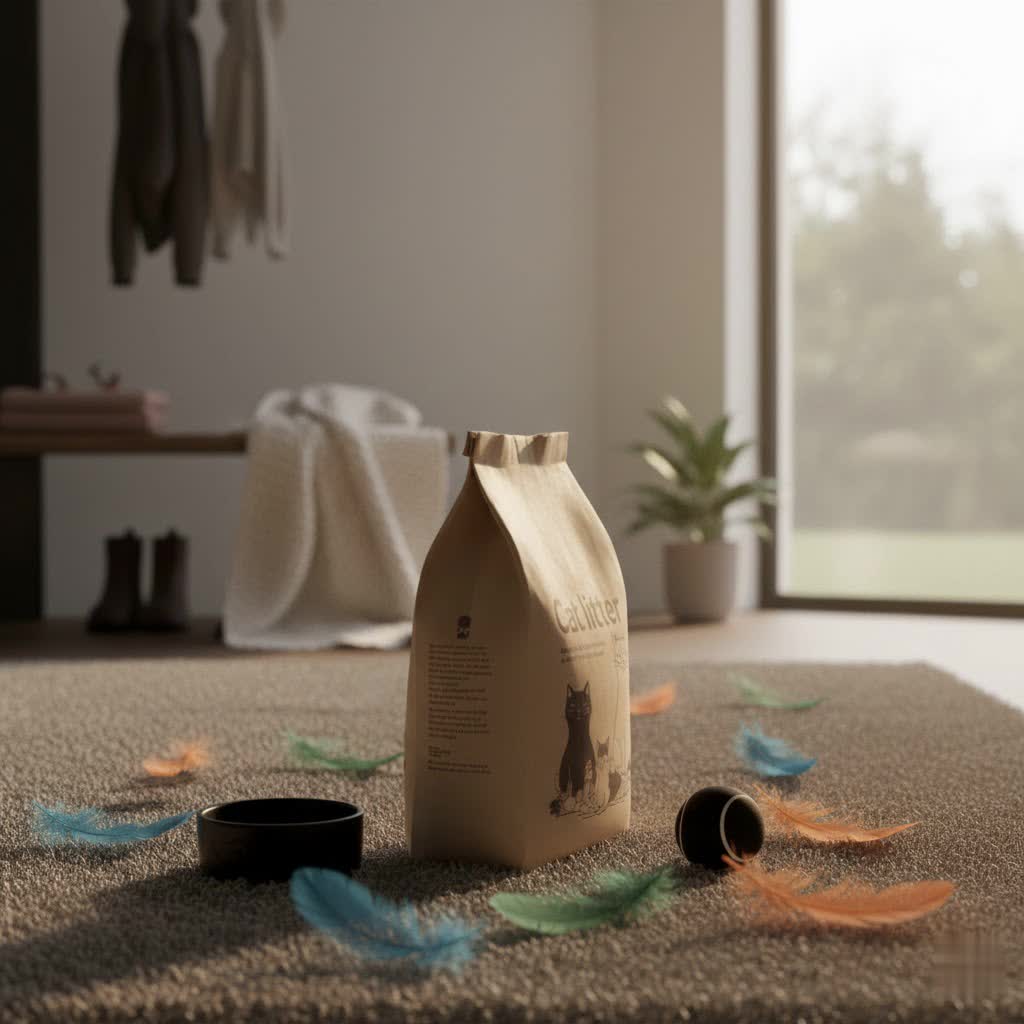
Choosing the right cat litter is a decision every cat parent faces, impacting not just your home’s cleanliness but also your feline friend’s health and happiness. With countless options available, finding a litter that offers effective odor control, excellent absorbency, and safety for your cat can be a challenge. If you’ve been searching for an environmentally friendly and highly efficient solution, wood pellet cat litter might just be the answer. This comprehensive guide will explore everything you need to know about wood pellet litter, from its benefits and potential drawbacks to choosing and maintaining it for a healthier home environment.
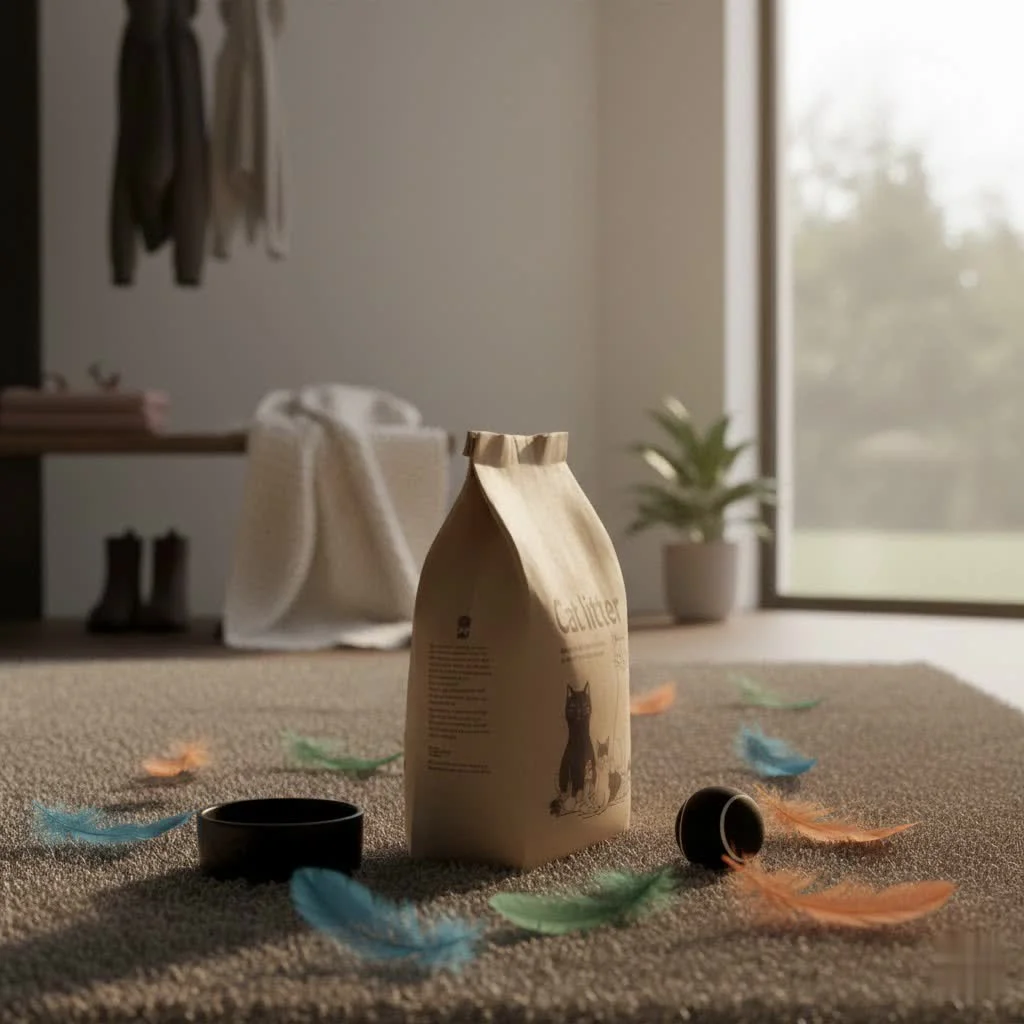
Cat Litter: Everything You Need to Know
Cat litter is more than just a place for your cat to relieve themselves; it’s a critical component of their overall health and well-being. A suitable litter can prevent tracking, minimize odors, and even deter respiratory issues. Over the years, the market has expanded to offer a diverse range of litter types, each with unique characteristics designed to meet various needs and preferences. Understanding these differences is key to making an informed choice for your beloved pet.
Popular Types of Cat Litter
The world of cat litter is vast, with innovations constantly emerging. Here’s a look at the most common types you’ll encounter:
Clay Litter
Clay litter has been a staple in many households for decades due to its widespread availability and low cost. While it’s easy to find and generally affordable, it often comes with significant drawbacks. Traditional clay litter can be quite dusty, potentially contributing to respiratory issues for both cats and humans. Its odor control can be subpar, and it typically doesn’t clump effectively, making cleanup more challenging.
Bentonite Litter
A specific type of clay litter, bentonite is celebrated for its superior clumping ability, which simplifies waste removal. When wet, it forms hard clumps that are easy to scoop, trapping odors more effectively than regular clay. However, bentonite litter can still generate a considerable amount of dust, and some cats with sensitive respiratory systems might react to it. It’s also heavier than other options, making large bags cumbersome to manage.
Silica Gel Litter (Crystal Litter)
Silica gel litter, commonly known as crystal litter, stands out for its exceptional absorbency and odor-neutralizing capabilities. Made from silica gel beads, it can absorb a large volume of liquid, and its porous structure traps odors efficiently, often lasting longer between full changes. It’s also relatively dust-free. The main downsides are its higher price point compared to clay and the crunchy sound it makes, which some cats might find off-putting.
Wood Litter (Wood Pellet Cat Litter)
|
Our Picks for the Best Cat Litter in 2026
As an Amazon Associate I earn from qualifying purchases.
|
||
| Num | Product | Action |
|---|---|---|
| 1 | Mixed Tofu Cat Litter Strong Clumping Litter 99.9% Dust Free and Flushable Cat Litter, Mixed Tofu and Bentonite Natural Sustainable Ingredients Odor Control, Low Tracking(16.8lb, Fresh) |

|
| 2 | Purina Tidy Cats Clumping Cat Litter Odor Control, 24/7 Performance Multi Cat Litter - 16 lb. Bag |
|
| 3 | WORLD'S BEST CAT LITTER Comfort Care Unscented, 32-Pounds - Natural Ingredients, Quick Clumping, Flushable, 99% Dust Free & Made in USA - Long-Lasting Odor Control & Easy Scooping |
|
| 4 | Fresh Step Odor Shield Advanced Multi Cat Clumping Litter with Febreze Freshness, Gain Original Scent, 18.5 lb Each, Pack of 2 (Package May Vary) |
|
| 5 | Dr. Elsey's Ultra Unscented Clumping Clay Cat Litter 18 lb Bag |
|
| 6 | ARM & Hammer Cloud Control Platinum Cat Litter, Hypoallergenic, Dust-Free, Multi-Cat, 14-Day Odor Control, 18 lbs – Dander Shield & Baking Soda |
|
| 7 | Purina Tidy Cats Clumping Multi Cat Litter, Glade Clear Springs - 38 lb. Box |
|
| 8 | Purina Tidy Cats Clumping Cat Litter, 24/7 Performance Multi Cat Litter - 38 lb. Box |
|
| 9 | Fresh Step Clean Paws Advanced Multi Cat Clumping Litter with Febreze Freshness, 18.5 lb Each, Pack of 2 (Package May Vary) |
|
| 10 | Crystal Cat Litter and Disposable Litter Trays 5 Sets Compatible with Petsafe Scoop-Free Classic/Legacy/Smart Litter Boxes, Triple Leak Proof Design, Excellent OdorControl, One-Hand Disposing. |
|
Wood pellet cat litter is an increasingly popular choice, particularly for environmentally conscious cat owners. Made from compressed wood fibers, often pine, it offers a natural, sustainable, and highly effective alternative to traditional litters.
-
Advantages:
- Superior Odor Control: The natural pine scent helps neutralize odors, leaving a fresh, clean smell.
- Very Inexpensive: Especially if you opt for horse stall pellets, wood litter can be significantly more affordable than many other types.
- Low Dust: It produces very little airborne dust, making it ideal for cats and owners with respiratory sensitivities.
- Minimal Tracking: The larger size of the pellets means less tracking out of the litter box, at least until they break down.
- Environmentally Friendly: Made from a renewable resource, it’s biodegradable and compostable, reducing landfill waste.
- Long-Lasting: Wood pellets are highly absorbent, capable of soaking up to 500% of their weight in liquid, meaning a bag can last longer than an equivalent amount of clay litter.
-
Disadvantages:
- Non-Clumping: Unlike bentonite, wood pellets don’t form hard clumps when wet; instead, they break down into sawdust. This requires a different cleaning method, often a sifting litter box.
- Scooping Difficulty: Removing solid waste can be a bit more challenging as urine doesn’t create firm clumps.
- Texture Preference: Some cats might not immediately take to the larger, harder pellet texture.
- Sifting Litter Box Recommended: To effectively separate soiled sawdust from fresh pellets, a specialized sifting litter box is highly recommended.
Safety Note: Always ensure you choose kiln-dried wood pellets for cat litter. The kiln-drying process removes phenols, natural compounds in pine and other woods that can be toxic to cats. While rare, some cats may develop allergies to wood litter due to residual pollens or molds; monitor your cat for excessive grooming, wheezing, or itching.
Paper Litter
Paper litter is made from recycled paper, processed into soft pellets or crumbles. It’s a gentle, dust-free option, making it excellent for kittens, cats recovering from surgery, or those with allergies. However, its odor control and absorbency are generally not as strong as other types, often requiring more frequent changes.
Soy Litter (Tofu Litter)
Soy litter, or tofu litter, is another eco-friendly option made from natural soybean fibers. It boasts good odor control and excellent clumping abilities, similar to bentonite. It’s also low in dust and often flushable, offering convenience and environmental benefits. The primary drawback is its higher price point, making it a premium choice.
Comparison of Popular Cat Litter Types
| Feature | Clay Litter | Bentonite Litter | Silica Gel Litter | Wood Pellet Litter | Paper Litter | Soy Litter (Tofu) |
|---|---|---|---|---|---|---|
| Price | Low | Low-Medium | High | Low-Medium | Medium | High |
| Odor Control | Fair | Good | Excellent | Excellent | Fair | Good |
| Absorbency | Fair | Good | Excellent | Excellent | Fair | Good |
| Dust Level | High | Medium-High | Low | Very Low | Low | Low |
| Clumping Ability | Poor | Excellent | N/A (absorbs) | N/A (breaks down) | Poor | Excellent |
| Environmental Impact | High (non-biodegradable) | High (non-biodegradable, strip mining) | Medium (non-biodegradable) | Low (biodegradable, compostable) | Low (recycled, biodegradable) | Low (biodegradable, flushable) |
| Tracking | Medium-High | Medium | Low | Low (initially) | Medium | Low |
How to Choose the Right Cat Litter for Your Feline Friend
Selecting the perfect litter involves considering several factors unique to your cat and household.
Determine Your Cat’s Needs
- Age and Health: Kittens and older cats might prefer softer textures like paper or soy. Cats with respiratory issues or allergies will benefit from low-dust options like wood pellets, silica gel, or paper.
- Texture Preference: Some cats are particular about what they step on. If your cat resists wood pellets, try mixing them with their old litter or providing a softer alternative.
- Digging Habits: Deep diggers may need a deeper layer of litter and a box that contains the scatter.
Consider Your Budget
Litter costs vary significantly. While wood pellets can be very cost-effective in the long run due to their absorbency and often lower per-pound price (especially if you buy large bags of horse stall pellets), higher-end options like silica gel or soy will require a larger upfront investment and ongoing expense. Factor in not just the purchase price but also how frequently you’ll need to replace it.
Read Ingredients and Reviews Carefully
Always check the ingredient list to ensure it’s safe for your cat. For wood pellets, confirm they are kiln-dried to mitigate phenol toxicity. User reviews can offer valuable insights into a litter’s real-world performance regarding odor control, dust, and cat acceptance.
Experiment with Different Types
Don’t be afraid to try various litters. Start with smaller bags to test them out. Observe your cat’s reaction – do they use it readily? Is there less odor? Less tracking? This trial-and-error approach helps you discover what works best for your unique situation.
Tips for Using and Maintaining Wood Pellet Cat Litter
Maximizing the benefits of wood pellet litter, and indeed any litter, comes down to proper usage and consistent maintenance.
- Choose the Right Litter Box: For wood pellets, a sifting litter box is highly recommended. These boxes typically have two trays: a solid bottom tray and a top tray with a mesh or holes. As pellets break down into sawdust when wet, the sawdust falls through to the bottom tray, leaving clean pellets on top.
- Add the Right Amount: Fill the litter box with 1-2 inches of wood pellets. Overfilling isn’t necessary, as the pellets expand and break down.
- Scoop Solid Waste Daily: Since wood pellets don’t clump, you’ll need to scoop out solid waste regularly, ideally once or twice a day.
- Sift and Remove Sawdust: With a sifting litter box, simply shake the top tray to allow the sawdust to fall into the bottom tray. Dispose of the sawdust as needed (many users compost it or dispose of it in regular waste).
- Replenish Pellets: Add fresh pellets as needed to maintain the 1-2 inch depth.
- Deep Clean Regularly: Even with daily scooping and sifting, fully empty and wash the litter box weekly or bi-weekly to ensure maximum hygiene and odor control.
- Proper Storage: Store wood pellets in a dry, cool place to prevent moisture absorption and maintain their effectiveness.
- Gradual Transition: If your cat is used to another type of litter, introduce wood pellets gradually. Start by mixing a small amount of wood pellets with their current litter, slowly increasing the proportion of wood pellets over a week or two until they’ve fully transitioned. This helps prevent litter box aversion.
Trusted Cat Litter Brands on the Market
While many brands offer cat litter, some have earned a reputation for quality and reliability. For wood pellet cat litter, Feline Pine is a well-known brand, often offering both clumping and non-clumping formulas. Another popular and highly cost-effective option, particularly in the US, is the Tractor Supply Natural Pine Pelletized Bedding, originally designed for horse stalls but widely adopted by cat owners due to its identical composition and excellent performance. Always check local pet stores or agricultural suppliers for similar bulk options.
Common Mistakes When Using Cat Litter
Even experienced cat owners can sometimes fall into common traps that impact litter box hygiene and cat health.
- Infrequent Cleaning: This is the most common mistake. A dirty litter box is a breeding ground for bacteria and odors, and can lead to your cat avoiding the box altogether.
- Using the Wrong Type of Litter: Forcing a cat to use a litter they dislike (e.g., a texture they find uncomfortable) can result in accidents outside the box.
- Too Little or Too Much Litter: Insufficient litter won’t absorb enough urine or allow for proper digging, while too much can be wasteful and make cleaning harder.
- Not Changing Litter Regularly: Even with daily scooping, the entire litter should be changed and the box cleaned periodically to maintain freshness and hygiene. For wood pellets, this means regular removal of all sawdust and a fresh batch of pellets.
- Placing the Litter Box in an Undesirable Location: Cats prefer quiet, private, and accessible locations. A noisy, high-traffic, or hidden spot can deter them.
Where to Buy Cat Litter
You can find cat litter at various retailers, depending on the type you’re looking for.
- Pet Supply Stores: These stores offer a wide selection of specialized cat litters, including many natural and premium brands.
- Supermarkets and Mass Retailers: You’ll typically find mainstream clay, bentonite, and some basic natural litters here.
- Online Retailers: Websites offer the largest variety, often at competitive prices, with the convenience of home delivery.
- Feed Stores or Agricultural Suppliers: For wood pellet litter, especially the cost-effective horse stall pellets, these stores are an excellent source.
Conclusion
Choosing wood pellet cat litter offers a fantastic solution for cat owners seeking a clean, odor-controlled, and environmentally conscious option. Its natural pine scent, exceptional absorbency, and low dust make it a superior choice for many, contributing to a healthier living space for both you and your cherished feline. While the non-clumping nature requires a slight adjustment in cleaning routine, the benefits of reduced waste, lower cost, and natural purity often far outweigh this. Are you ready to make the switch and experience the freshness of wood pellet litter?
Frequently Asked Questions
Is wood pellet cat litter safe for cats?
Yes, wood pellet cat litter is generally safe for cats, especially if it is kiln-dried. The kiln-drying process removes natural phenols found in wood that can be harmful to cats. Always check product labels to ensure the pellets are kiln-dried and free from added chemicals or fragrances.
Does wood pellet cat litter clump?
No, wood pellet cat litter does not clump like traditional clay litter. Instead, when exposed to urine, the pellets absorb the moisture and break down into a fine sawdust. This sawdust then needs to be sifted out from the unused pellets, typically using a specialized sifting litter box.
How often should you change wood pellet litter?
Solid waste should be scooped daily. The sawdust from soiled pellets should be sifted out and disposed of every 1-3 days, depending on the number of cats and their usage. A complete change of all pellets and a thorough cleaning of the litter box is recommended every 1-2 weeks.
How do you transition a cat to wood pellet litter?
To transition your cat, start by mixing a small amount of wood pellets with their current litter in their existing litter box. Gradually increase the proportion of wood pellets over a period of 1-2 weeks. This slow introduction helps your cat adjust to the new texture and smell, reducing the chance of litter box aversion.
What kind of litter box do you need for wood pellets?
While a standard litter box can work, a sifting litter box is highly recommended for wood pellet litter. These multi-tray systems allow the sawdust to fall through a mesh layer into a bottom tray, making it much easier to separate soiled material from clean pellets and maintain hygiene.
Pet products vetted on real animals
Practical specs, not advice. Unsubscribe anytime.
